

Step-by-step instructions on how to cook delicate vermicelli without boiling it to get perfectly springy (not mushy) noodles every time. No more mushy noodles!
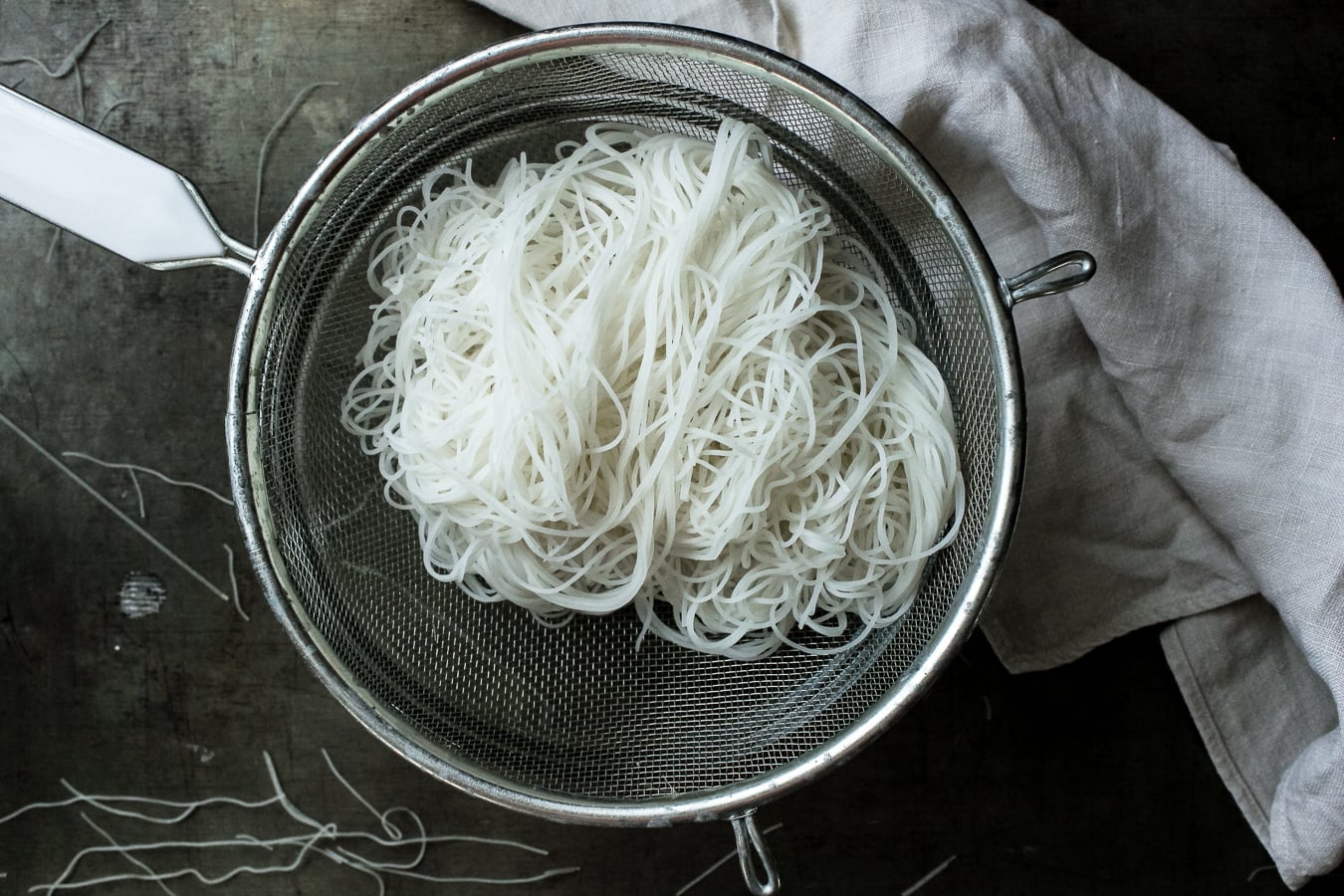
When it comes to vermicelli, I have made them mushy, hard and goopy. You name it, I have done it.
I just follow the packaging and boil it with the time the packaging tells me and the results are always different but more often than not it's mushy - even when I run cold water through it.
The problem is, boiling of the water agitates the delicate noodles too much which can either easily overcook it or just agitate the starches to make it super goopy. So how do you cook vermicelli noodles and make it right every time? Soak it!
Soaking the noodles makes the texture perfectly springy. You don't even need to run it under cold water.

One of the main reasons why I love this method is that it's so easy. You don't need to dirty up a pot and if you're like me and doing single portions, you can reuse the bowl you soaked the noodles in as your serving bowl as well.
Let's Start!
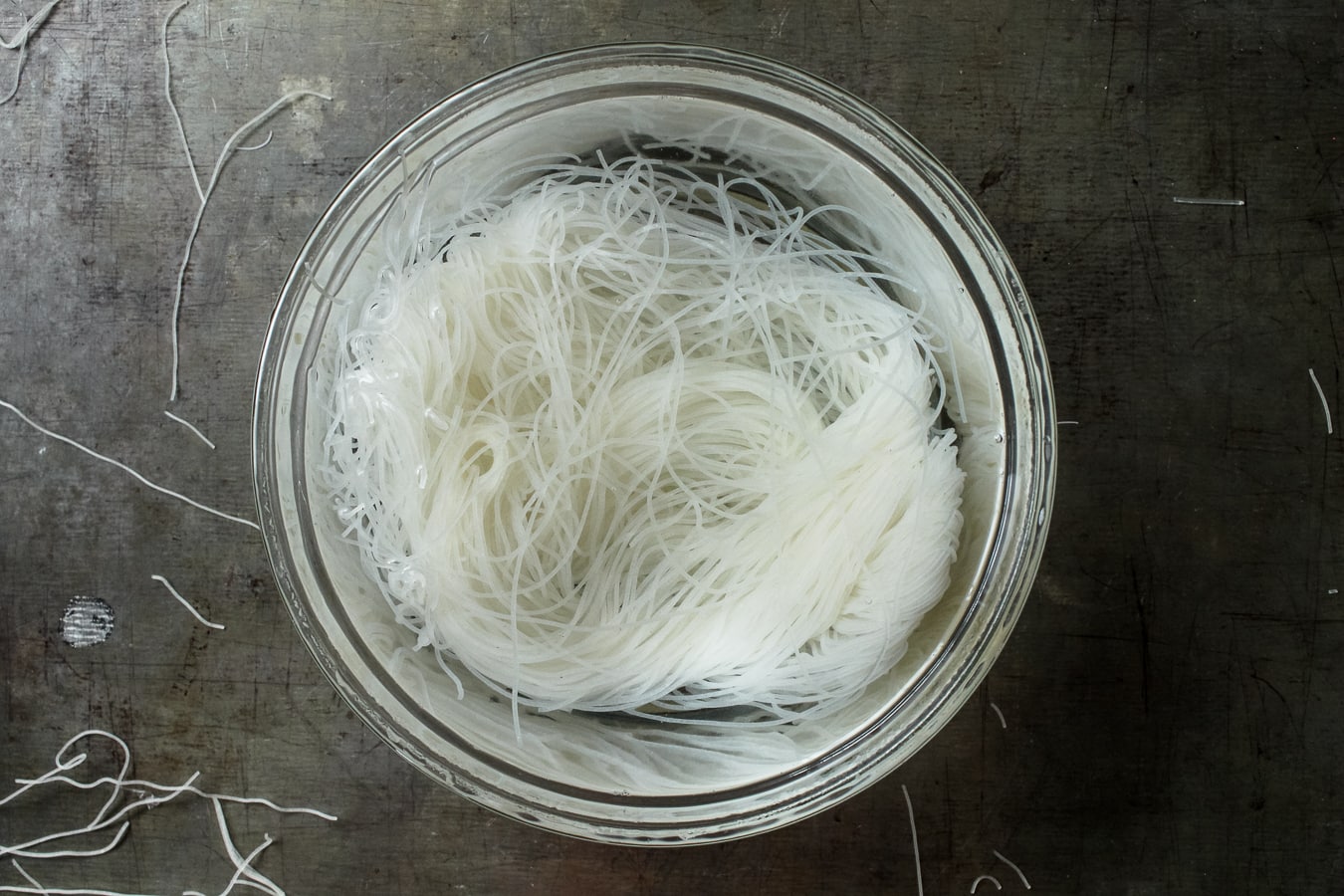
- First, we get a bowl to fit the noodles in and pour boiling water into it and soak the noodles in it. Make sure to submerge all the noodles with water and cover it with a lid to keep the heat in (We use plates as lids). Soak it for the amount of time the packaging tells you. For us, it was 1-2 minutes.

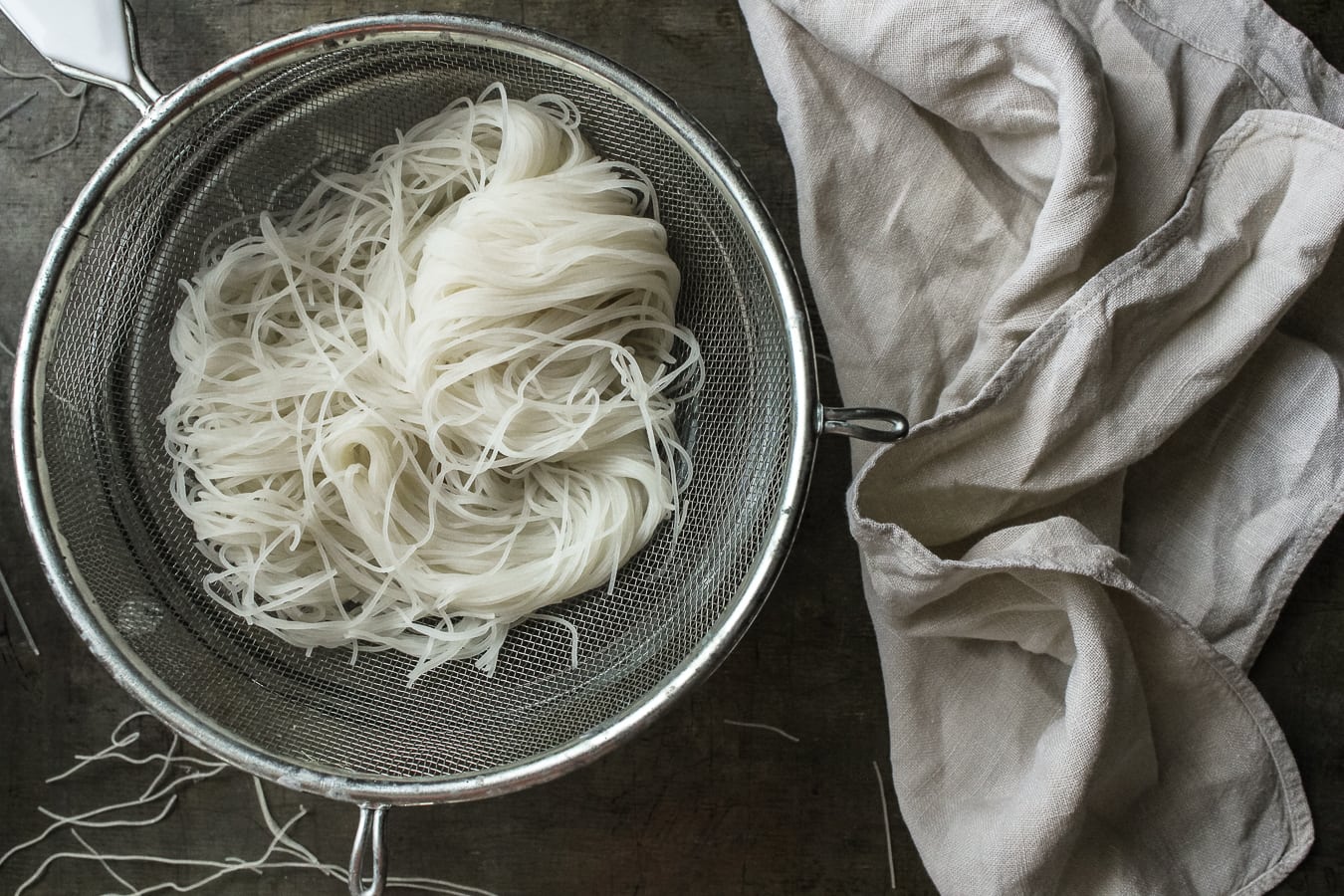
© Provided by Pups with Chopsticks - Next, we drain the water out through a strainer or sieve. At this point, you can use it as-is or you can leave the noodles in the strainer or bowl you were soaking them in, just make sure the noodles are not sitting in a pool of water at the bottom, which will cause it to get soggy.
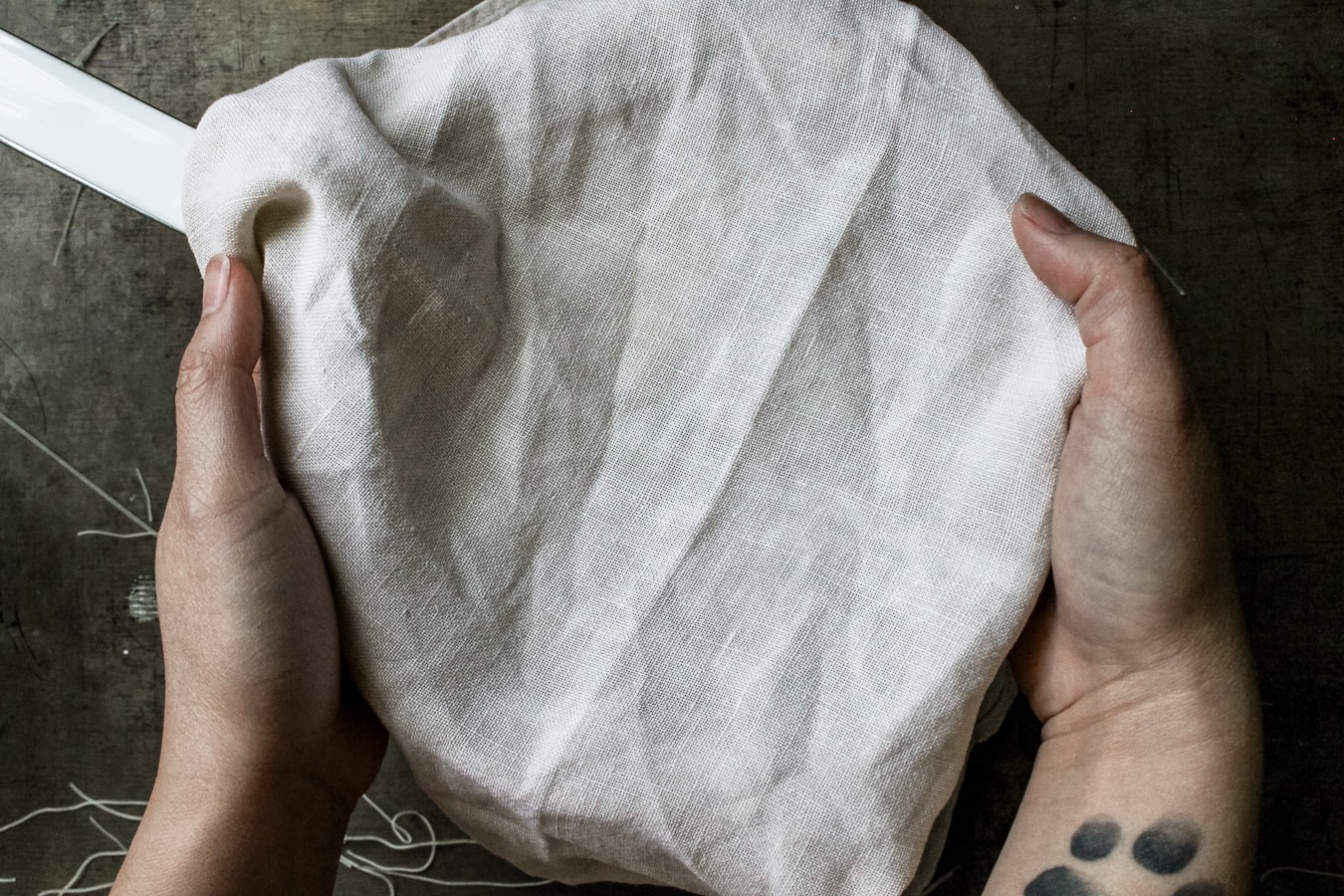
© Provided by Pups with Chopsticks - You can take a towel or a cloth and cover it to keep it warm or to prevent it from drying out if you are not ready to use it yet.
© Provided by Pups with Chopsticks - Once the noodles are soft, you can loosen it up with your fingers and use it! It should have a nice spring to it. You eat it as is, put it in a bowl and ladle some hot soup over it for a soup noodle meal or fry it in a pan to make a stir-fried vermicelli dish! 🙂 You might notice that there are hard bits where the noodle folds when it was dried, those don't soften easily with just soaking so I just rip out these hard tough bits out and discard it.
© Provided by Pups with Chopsticks
The Noodles Taste Raw Still, What Gives?
This usually happens if the noodles need to be soaked longer. I have had that happen before and all I did was re-soak it for another 1 minute in hot water or run the noodles under piping hot water from the tap through the strainer/sieve for a few minutes until soft, and don't forget to use a lid to keep the heat in during the soak 🙂
This article originally appeared on Pups with Chopsticks.

Sarah Castillo says
Worked great!
Joyce Lee says
Hi Sarah!
Awesome!! 😀
Delboy says
What a superbly simple and effective way to cook vermicelli noodles. Thank you for sharing the information.
Joyce Lee says
Hi Delboy!
I'm happy to share! I'm so glad that it can be helpful! 🙂
svim says
Very good instructions, just heated up some vermicelli and it turned out really well because of this article. Thank you for posting it.
Joyce Lee says
Hi Svim!
I'm so happy this worked out for you! It's a super-easy way to prepare vermicelli, isn't it? 🙂 I'm always happy when I can help out! 🙂
Darshan N M says
Thank you for the helpful information. Could you please tell any tips or guidelines for cooking of vermicelli which are made of wheat semolina...?
Joyce says
Hi Darshan!
Hmm, when you mean vermicelli made of wheat semolina, do you mean the vermicelli that is brown and in 1/2 inch length bits? Like the one, I use in my Vermicelli Rice recipe?
If it is, then I actually only use the wheat semolina vermicelli in rice. I toast it in butter first and cook it right in with the rice. I don't actually eat them as noodles alone.
If there are long vermicelli noodles made of wheat semolina, then I haven't really cooked with it and am not sure how to use them! I'd have to find some to experiment with. 🙂
Lauren says
K every time I make them the noodles are still super transparent - how do I cook them so they’re springy and white like when I go to a Vietnamese restaurant
Joyce says
Hi Lauren,
Hmm... You might be buying bean threads instead of vermicelli which is why they are transparent instead of white. I find that whenever I go to the Asian grocery store, they always label bean threads as vermicelli when they are not the same type of noodles. I never trust the labels myself haha so I always look at the ingredient list to make sure it's the right type of noodles. 🙂
Bean threads noodles are made with mung beans and when cooked has a more transparent (almost glass looking) noodle - it also has a bit of chewiness to them. Vermicelli is made with rice and when cooked, is less chewy than bean threads but springier and white in color.
When you check the ingredients list of your noodles, does the ingredients list rice or mung beans?
romain | glebekitchen says
Very, very nice! Nothing else to say. I hate mushy rice noodles.
Joyce says
😀 Same here