

A collection of Asian fruits that are used in Asian cooking and can either be eaten fresh or used in desserts or cocktails!
Pomelo
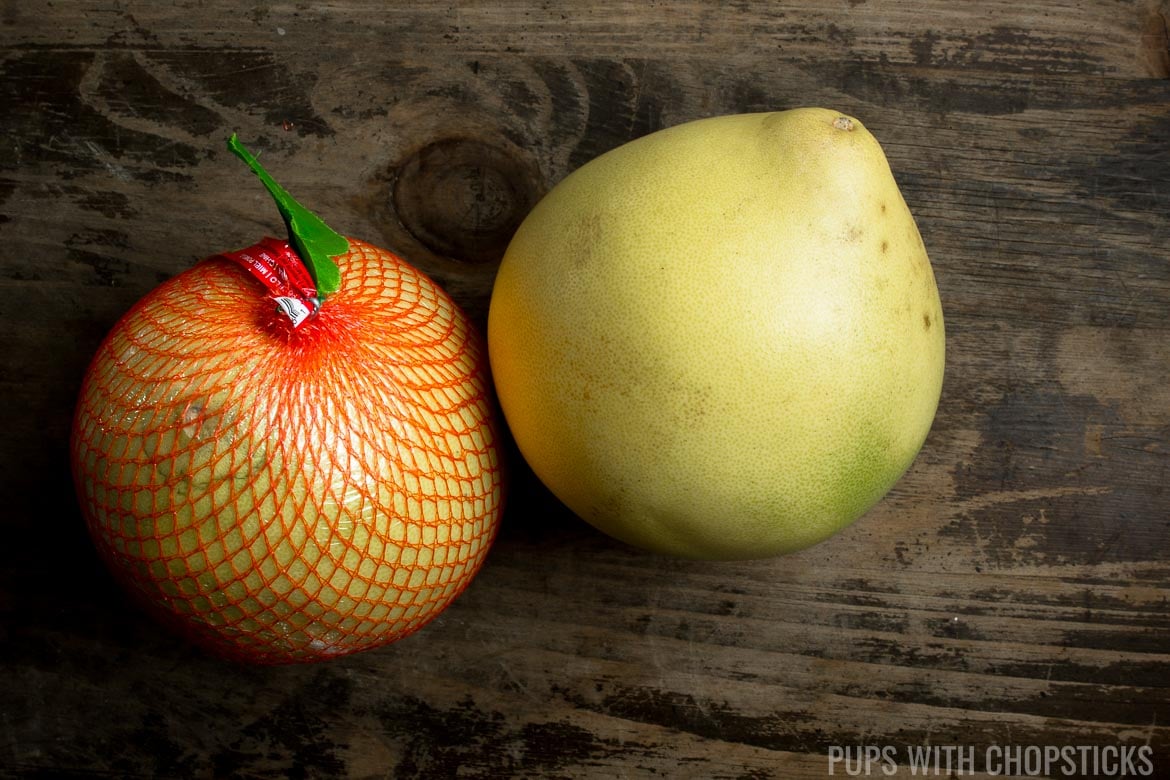
A Pomelo is a large citrus fruit that tastes like a grapefruit but is slightly less juicy and tangy and has less of a bitter aftertaste. Pomelos are usually eaten as-is but can also be fantastic in salads, drinks, and desserts. It is often eaten and enjoyed in Asian cultures, especially during Chinese New Year & Mid-Autumn Festivals.
Pomelos can be tricky to peel because of their thick skin. There are two layers of peeling when it comes to peeling a pomelo. You first have to peel off the outer skin (the rind), and once the skin has been peeled, you have to peel the tough skin wrapped around the pulp as well - the pulp is the only thing eaten in a pomelo. Pomelos are slightly less juicy than grapefruit but much easier to eat and make great bite-sized snacks on the go.
Unlike common citrus fruits like oranges and grapefruits, you don't eat the skins of a pomelo at all since it is thick, waxy, and tough. You only eat the pulp, which is very easy to peel out of the skin.

Asians generally don't like to waste anything, so there are Chinese recipes that also use the pith of the pomelo skin, which is the spongy part of the skin. The pith is usually peeled or cut off the rind and soaked overnight, then boiled to remove some of the bitterness in preparation for it to be braised. It doesn't have much flavor, it's more of a texture thing. It absorbs the flavor of the braising liquid. The texture is exactly what you would think it would be - spongy!

You can find my pomelos at Asian grocery stores, but they are more commonly available during big events such as Chinese New Year (Lunar New Year) and Mid Autumn Moon Festivals, although I occasionally will find them at my local grocery stores from time to time as well.

To pick the juiciest pomelos, pick them up and feel how heavy they are. They should feel heavy for their size and firm to the touch. The heavier they are, the juicier they are. If they feel very light, they will most likely be dry.
I have not figured out how to pick out the sweet ones. It's usually hit or miss for me. Sometimes, I get sweet ones, and sometimes, I get tangy ones. If you have figured out a way to pick out sweet pomelos, give me a shout! I would love to learn how!
If your pomelo has not been peeled, store it at room temperature or in the fridge. Once it has been peeled, keep the segments together and only remove the wedges you want to eat. This will prevent it from drying out. Store it in the fridge in a well-sealed container for up to a week.
Lychee
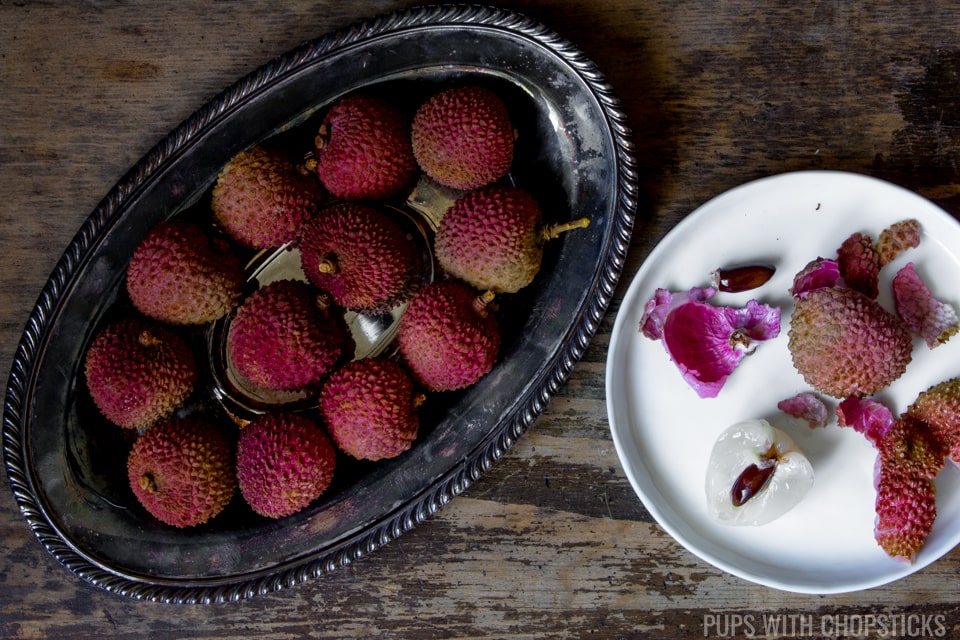
Lychees are small, sweet, and juicy fruits that have a floral flavor to them. They originate from China and are mainly enjoyed as is, but they have been gaining worldwide popularity & have been popping up as an ingredient in many Asian fusion recipes as well.
Fresh lychees are only in season in June and July, though, so get them fresh while you can!
To pick sweet and ripe lychees, find the ones that are bright red or pink in color. When you give them a gentle squeeze, they should feel firm and springy. Avoid mushy or very soft lychees; chances are they are either overly ripe (and very sweet) or rotten. Lychees that are not springy or have sunken skins usually mean they are dried out.
There is no good lychee substitute. Since lychees are only in season for a few months in the summer, you can substitute canned lychee, which you can find at an Asian grocery store or online.
They are very juicy fruits, and the flesh has a lot of water in it, almost like a skinless grape. You can eat them as is, as a snack or dessert, or use them in cocktails.
Before you can use the fruit, you have to peel the skin off. Peeled lychees are white and slippery to the touch. The flesh is the part of the fruit used, and the small dark brown seed in the middle is removed and discarded.
Do not eat unripe lychees. They contain toxins that can make you sick. Unripe lychee skins are green in color. Eating a lot of lychees in one sitting is also not a good idea, as it is known to give you stomach aches.
These little fruits should be stored in the fridge for about a week. To prevent them from drying out too quickly, store them in a plastic bag with holes in it.




Leave a Reply