
Full disclosure: I am a participant in the Amazon Services LLC Associates Program, and as an Amazon Associate, I earn from qualifying purchases at no cost to you. I am providing these links so that you can see the product and have an idea of what to look for when you go grocery shopping. Any ingredients I recommend are ingredients I use at home, and any opinions I have about them are my own.
Here is my database of Asian ingredients, which will help you explore and familiarize yourself with the world of Asian ingredients! I will show you where to find them, how to store them, and how to use them (along with the recipes I use them in)!
Essential Asian Sauce Ingredients I Use At Home
When it comes to Asian cooking, these are my must-haves in my kitchen. I like to keep things simple. I have a small kitchen, and I don't like to keep ingredients in my fridge that I only use a few tablespoons of, so these recommendations below are sauce ingredients you will find that I use in almost all my recipes, so they will get used up quickly!
Please keep in mind that none of the brands I am mentioning are NOT sponsored. I genuinely like using these brands, and these are brands I trust and use at home. I provide you with an Amazon link (that I earn from qualifying purchases at no cost to you) to give you an idea of how they look so you can easily identify them locally so that you can support your local stores.
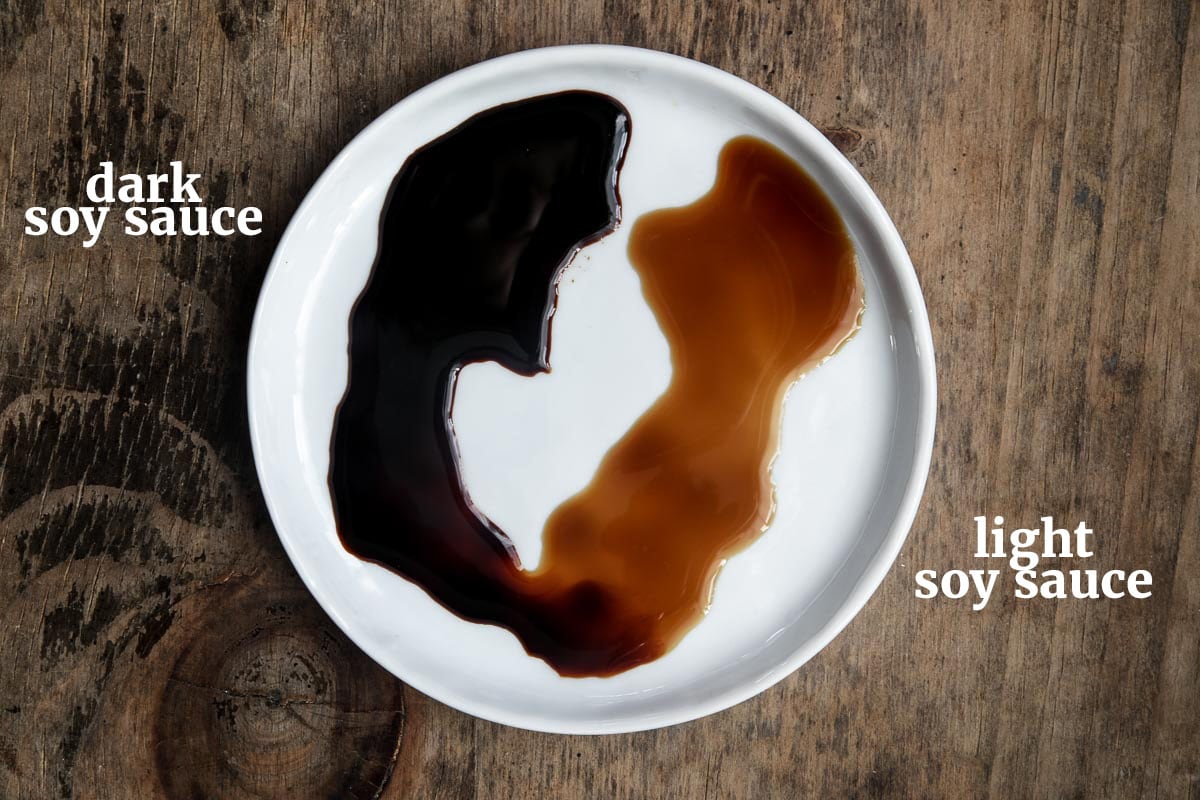
- Soy Sauce - One of the most intimidating ingredients to buy is soy sauce. There are so many different kinds out there, and depending on what Asian cuisine you make, they will also use different types as well. Some are more fermented and pungent, while others are just watered down and taste like pure salt, and others are mild and used for soups. To keep things simple, I only use two types at home: light soy sauce and dark soy sauce.
- Light Soy Sauce - This is essentially the same thing as regular soy sauce. It's called light soy sauce because it's not 'dark' soy sauce. You can get light soy sauce in low sodium as well, but keep in mind it may alter your recipe a little bit. I personally like to use low-sodium soy sauce, but for my blog, I use regular soy sauce because it is easier to find. My favorite brands to use are Kimlan and Pearl River. You can also use Lee Kum Kee or Kikkoman, which are more common and easier to find.
- Dark Soy Sauce (Optional) - I use dark soy sauce to give foods a darker or browner color. It's thicker and syrupier in consistency than light soy sauce. It's completely optional, and if you don't care about the color of the food, you don't need it, and you can substitute it with light soy sauce. I also like to use Kimlan and Pearl River for this; if you can't find them, Lee Kum Kee is a good, reliable brand to go with.
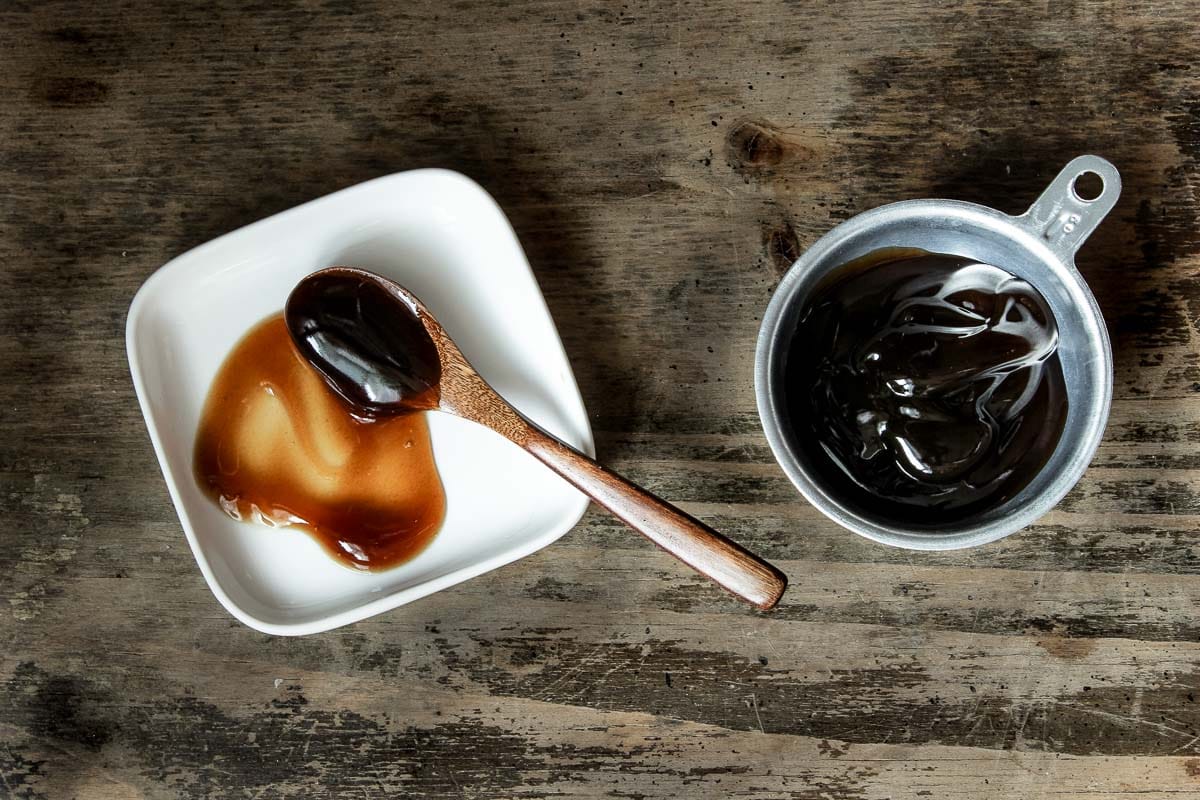
- Oyster Sauce - I always have a bottle of oyster sauce in my fridge, and I consider this a must-have because I use it in about 70% of my cooking, and there is no true substitute for its salty, briny flavor. Lee Kum Kee makes the tastiest oyster sauces, and I frequently swap between the Lee Kum Kee Premium Oyster Sauce (this iconic version is the one with a lady and boy in a small boat fishing on the label) and Panda Brand Oyster Sauce (Which is also made by Lee Kum Kee). The main difference is the saltiness and the oyster flavor. I highly recommend the premium version for the best oyster flavor, but it is saltier than the Panda brand version. The Panda version also is a touch sweeter as well. Both types are good, and you only need one or the other, not both.
- Chinese Cooking Wine - There are two types of Chinese cooking wines I use at home: Mijiu (or Michiu) cooking wine, which is usually clear in color, and Shaoxing cooking wine which is amber to brown in color. They both give dishes an extra flavor, but they also have salt in it as well, so they add another layer of salt. I use them both interchangeably, and I find the clear one has a bit more flavor. You can find both of these at Asian grocery stores, and no brand really stands out to me so any brand will work. For the recipes on my blog, you don't need to own both types, you just need one or the other, because you can use them interchangeably, but Shaoxing wine would be the more popular one that most recipes call for. If you can't find these Chinese cooking wines, you can use substitute Japanese sake for the mijiu cooking wine, but you will miss out on the alcohol flavor, and you will need to add a pinch of salt to make up for the missing salt. For Shaoxing cooking wine, you can substitute it with dry cooking sherry (not regular sherry, which is sweet and for drinking), but you will need to add a pinch of salt to that as well.
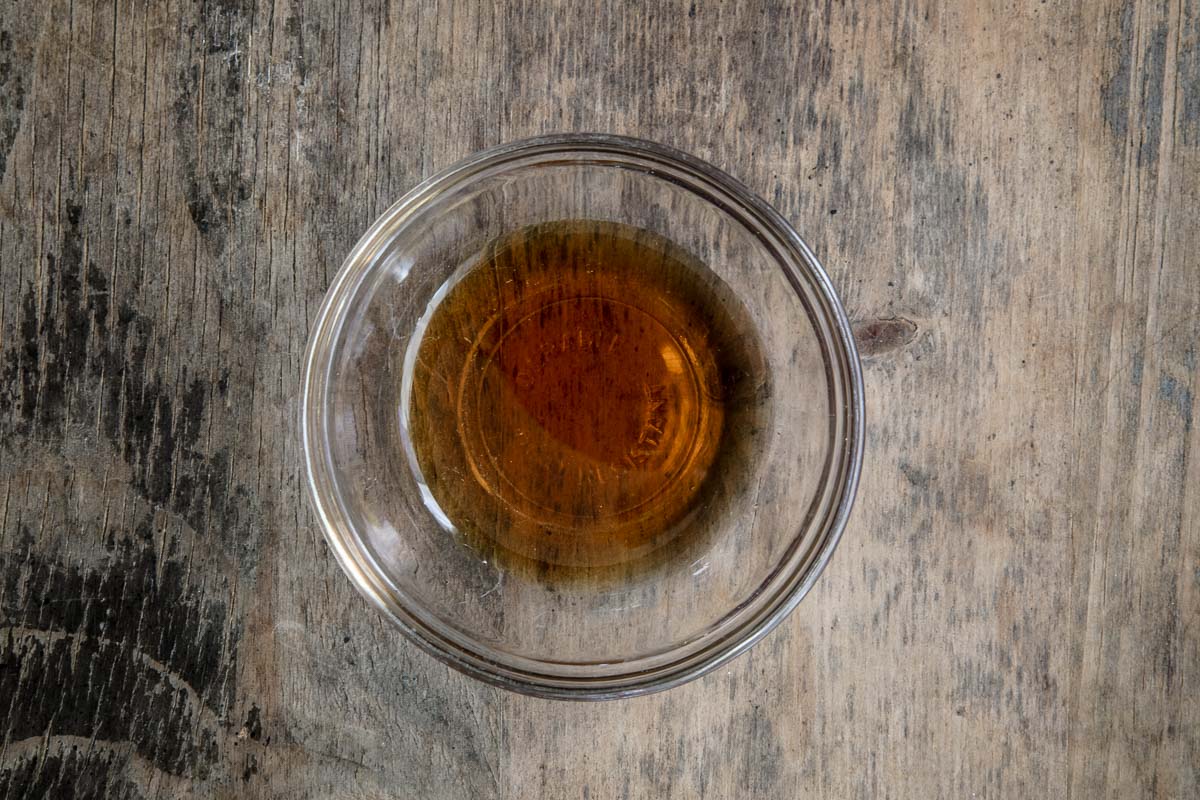
- Fish Sauce (Nice to Have, not Essential Unless You Like Thai or Vietnamese Food) - If you want to make any Thai or Vietnamese food, then fish sauce is a must-have. There is no true substitute for it. You can substitute it with soy sauce only if it is used in very low quantities (like less than ½ teaspoon), but otherwise, I don't recommend substituting it. That being said, you can substitute soy sauce with fish sauce in dishes like fried rice or stir-fries to give it a wonderful flavor boost! My go-to brand is Squid brand because it's very easy to find, and inexpensive. I also like Golden Boy brand as well, but it is incredibly salty, so you don't need to use as much, but very flavorful and pungent. If you have never used fish sauce and don't know if you'll like it, I would go with the Squid brand. Other reliable fish sauce brands are Red Boat and Three Crabs.
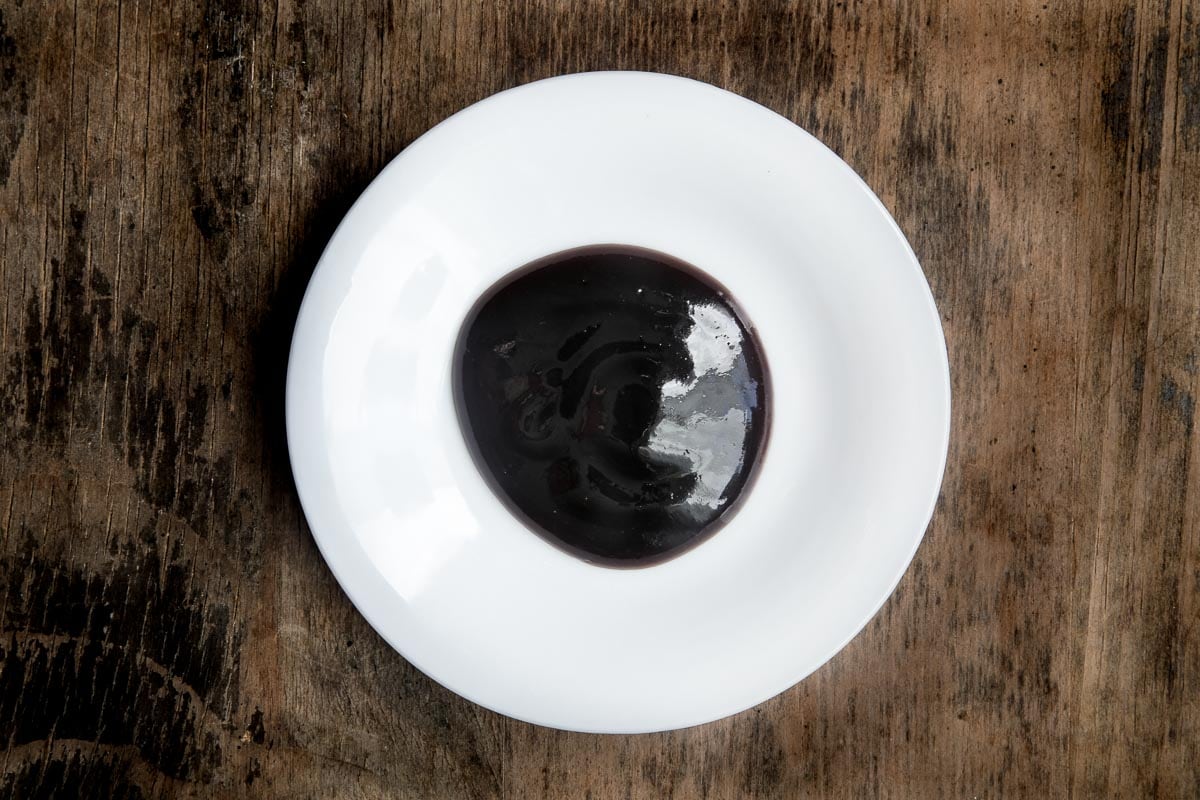
- Hoisin Sauce (Nice to Have, but not Essential) - I use hoisin sauce mainly in American Chinese recipes and Chinese recipes. It's hard to find a substitute for it, so if you enjoy Chinese food, I recommend you keep a bottle in the fridge. It's a thick, sweet bean sauce with a hint of five-spice flavor that adds sweetness to sauces and some depth from the spices. I like to use Lee Kum Kee hoisin at home.
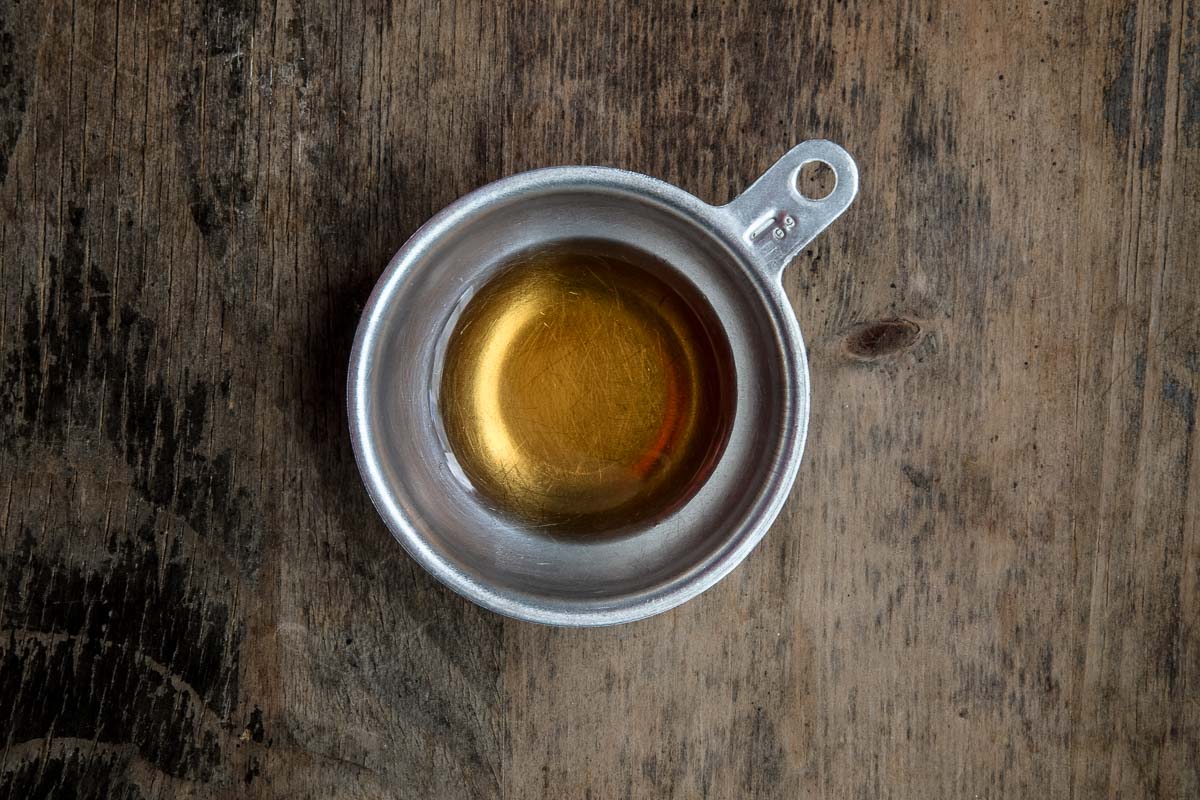
- Sesame Oil (Nice to Have, but not Essential Unless You Like Korean Food) - Sesame oil is a must-have if you like Korean food. If you prefer Chinese recipes, then sesame oil is an optional but nice-to-have ingredient. Sesame oil adds a nutty flavor to sauces, and a little goes a long way, so a small bottle will last a long time. Any brand will work, but my favorite is Kadoya sesame oil.
- Cornstarch or Potato Starch - I use starch a lot. I use it for deep frying to give anything an extra crunch exterior, I use it in marinating meats to create a more velvety texture (aka velveting), and I use it as a thickener to thicken sauces. If you do all three of these things I mentioned very often, then you always need to have starch in your pantry. Cornstarch is more common than potato starch, so I would recommend cornstarch from the two, but potato starch is also excellent if you can find it. The main difference between the two starches is that potato starch maintains its thickening power in sauces after refrigeration. If you use cornstarch as a sauce thickener, it may become runny when you reheat it the next day. You also cannot substitute potato starch with cornstarch 1:1. You need more potato starch to achieve what cornstarch can thicken, and sauces made with potato starch are silkier and less thick. For deep frying, potato starch creates a more flavorful, harder, and crunchier batter than cornstarch, which stays crunchy even after refrigerating it.