

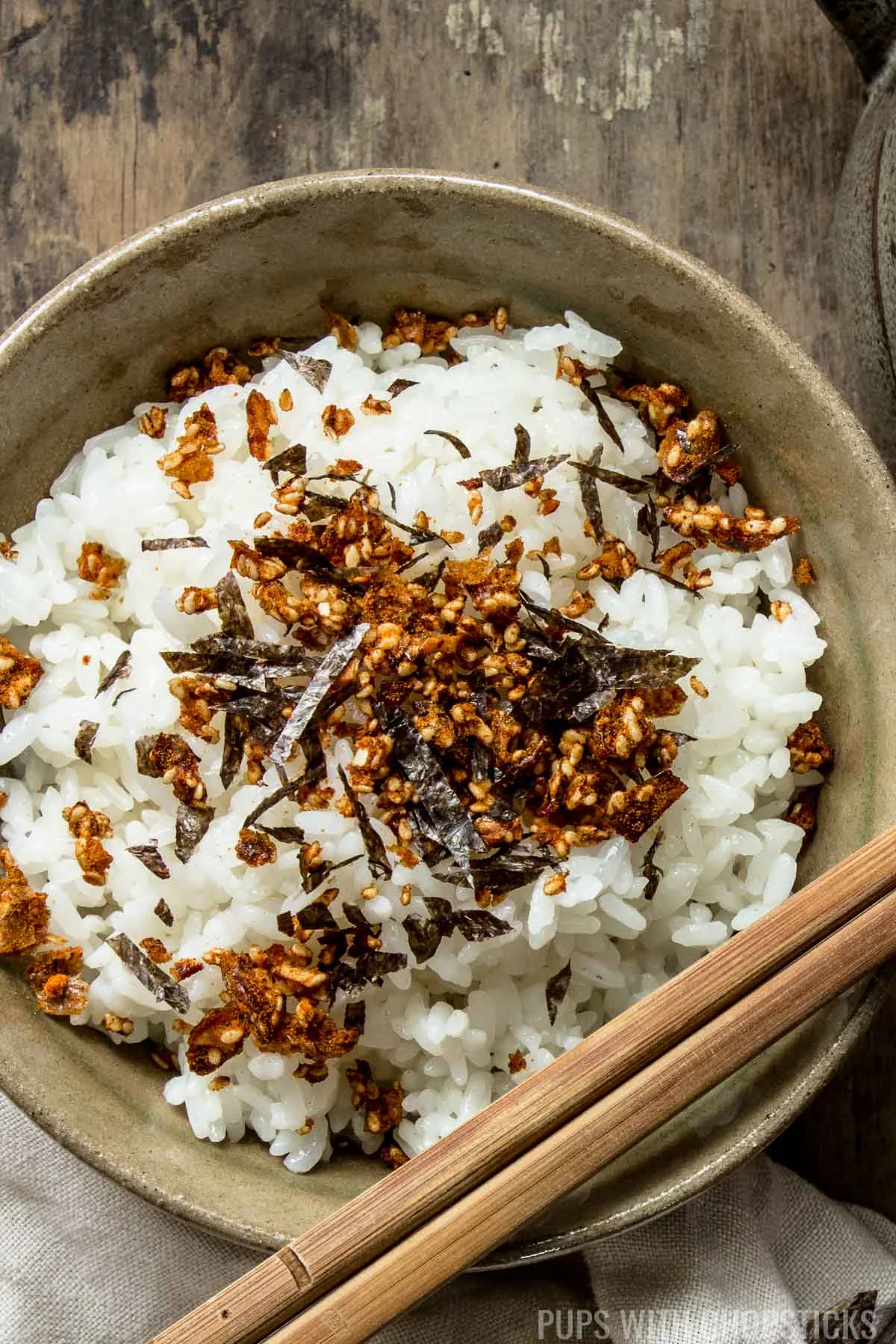
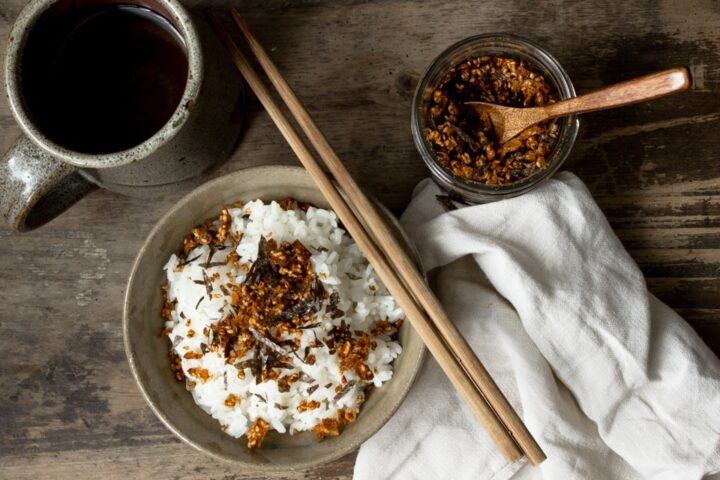
This homemade furikake seasoning will give you authentic flavors! Use this versatile seasoning by sprinkling it on top of your favorite dishes. It’s made using miso and gochujang powder, fried garlic, bonito flakes, toasted sesame seeds, and nori seaweed, this versatile Japanese seasoning is a must-have in your kitchen.
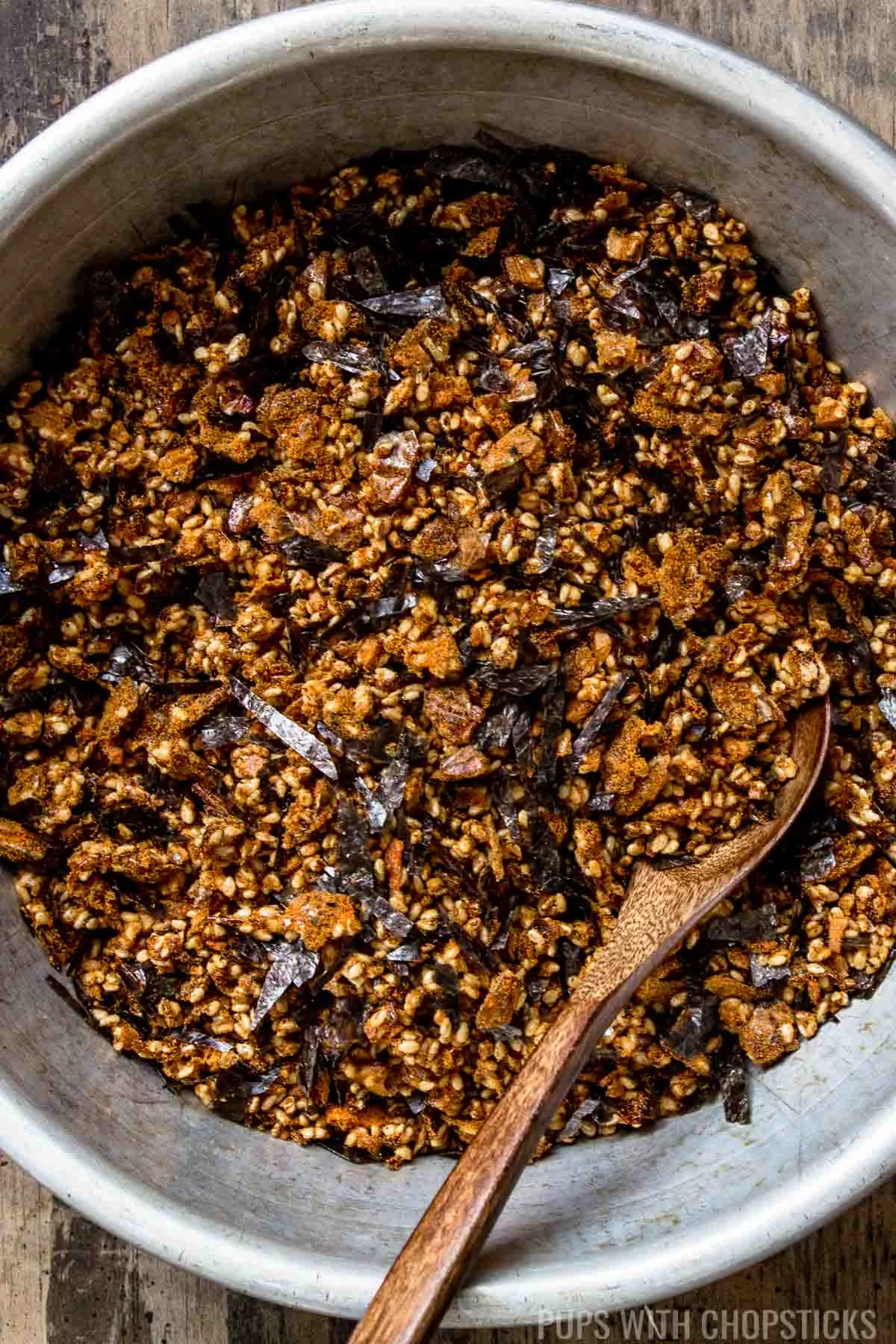
Table of Contents
- What is Furikake Seasoning?
- Why You’ll Love This Furikake Seasoning Recipe
- Ingredients You’ll Need to Make Furikake Seasoning
- How To Make Furikake Seasoning at Home
- Joyce’s Tips For Making the Best Furikake Seasoning
- How To Use Furikake
- Recipe Variation Ideas for Furikake Seasoning
- Frequently Asked Questions
- How to Store Leftover Furikake Seasoning
- Recipes That Use Furikake
- Recipes To Use Up Leftover Miso
- More Japanese Recipes You May Like
- Did You Make This Recipe?
- Recipe Card
Furikake seasoning is a versatile addition to any kitchen. This flavorful mix can be sprinkled over rice, eggs, pasta, and even popcorn. It’s one of my favorite ways to elevate any dish and give it a delicious Japanese touch.
This recipe is made using homemade miso/gochujang powder that truly adds a special authentic flavor to the seasoning. Whether you're sprinkling it on rice, eggs, or pasta, it’s going to take your meal to the next level.
This furikake recipe is quite easy, but it's definitely not a quick process. The miso/gochujang powder takes about 2.5 hours to dry out in the oven before you can use it. It makes about 2 cups but you can easily double it if you think you will be going through it quickly.
Since the drying process for the miso/gochujang powder takes quite a bit of time, I made this recipe to create double miso/gochujang powder than the recipe calls for so you can have extras to season your meats, create a second batch of furikake or sprinkle it as a seasoning on other foods. (Your oven is already on, you might as well right?)
Read on to learn exactly how to make this delicious furikake seasoning recipe today!
What is Furikake Seasoning?
Furikake seasoning is a Japanese seasoning that's usually sprinkled on top of cooked rice, vegetables, and fish. This savory condiment is a blend of ingredients such as dried fish flakes (bonito flakes), toasted sesame seeds, dried seaweed (nori), salt, and sometimes other elements like dried shrimp or wasabi for extra flavor.
It can be used by sprinkling it on top of many types of dishes including eggs, pasta, popcorn, congee, soups, salads, stews, rice, udon noodles, etc. to give it more flavor. It’s truly versatile and can elevate any dish you add it on top of!
Why You’ll Love This Furikake Seasoning Recipe
Easy to Make: Although the process might take a bit of time, this furikake seasoning recipe is quite straightforward. With clear instructions and common ingredients, you'll be able to create your own homemade Japanese seasoning with ease.
Versatile: This furikake seasoning is extremely versatile. You can sprinkle it on eggs, pasta, popcorn, rice, noodles, and even salads and soups. It’s an easy way to elevate your favorite dish.
Delicious With Lots of Umami: This furikake seasoning is packed with flavors from the miso/gochujang powder, bonito flakes, sesame seeds, and nori seaweed. Each spoonful adds a delicious umami flavor to your meals.
Ingredients You’ll Need to Make Furikake Seasoning
All you need are some incredibly simple, pantry-staple ingredients to make this delicious furikake seasoning recipe at home.
Here's an overview of the specific ingredients for this recipe. For the exact ingredients and measurements, please scroll to the recipe card below.
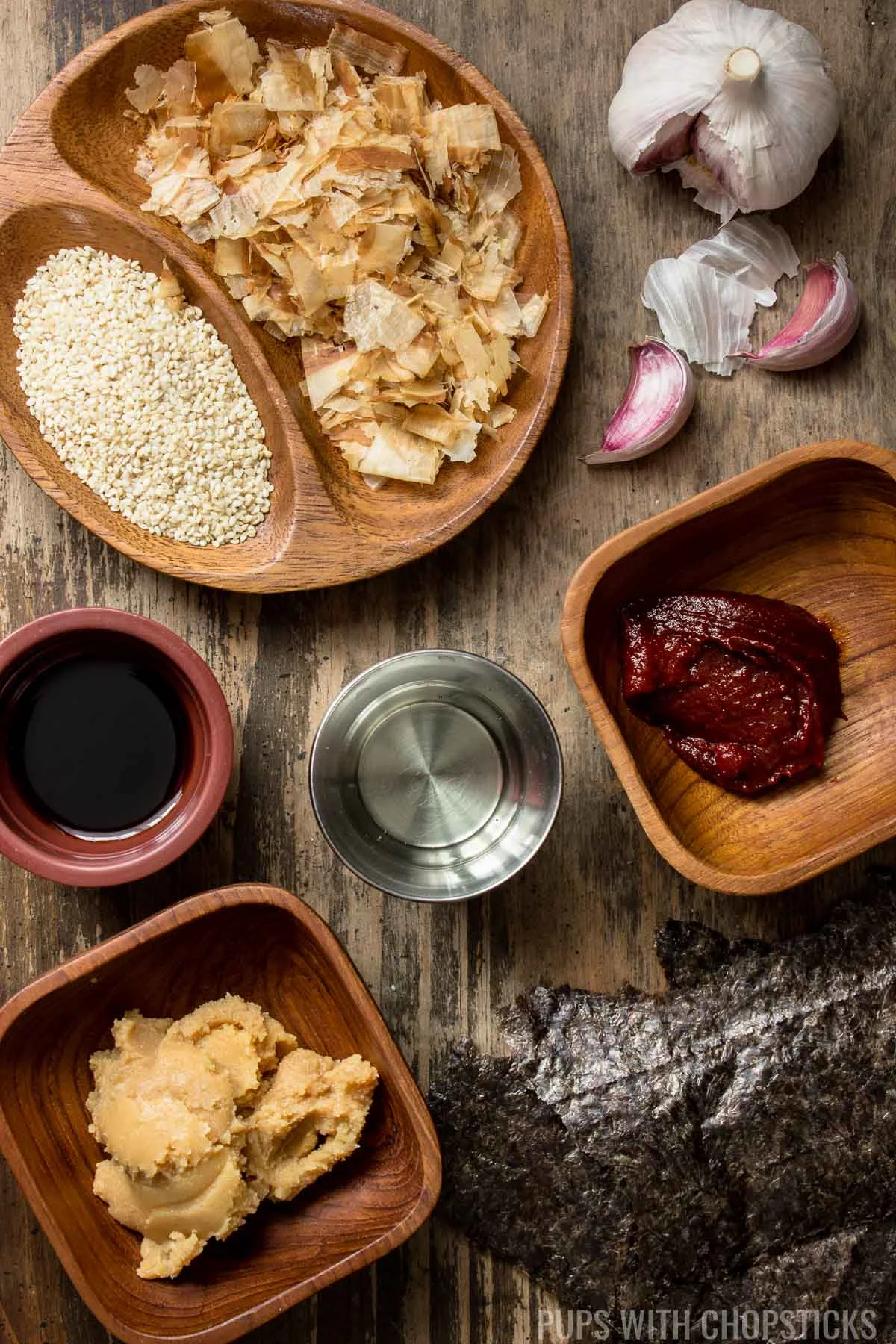
- Miso and Gochujang: These 2 ingredients are what will be the flavor bombs of this furikake seasoning recipe. They provide a bulk of the flavor as well as a lot of umami. You cannot substitute them out but you can use 1 or the other but I find using both gives this furikake a lot more flavor. Alternatively, you can also buy miso powder as well if you want to skip the process of making your own.
- Bonito Flakes: These dried fish flakes are a key ingredient in traditional Japanese furikake. They add a slightly smoky flavor that really gives it that authentic touch. You can find this at any Asian grocery store or online.
- Soy Sauce: This brings a salty, umami flavor to the furikake. It also provides a bit of savoriness as well.
- Mirin: This is a sweet Japanese rice wine that adds a touch of sweetness to balance out the saltiness and spiciness. If you cannot find this at an Asian grocery store or online, you can dissolve sugar into soy sauce instead.
- Sesame Seeds: Toasted for added flavor, these seeds provide a nice crunch and nuttiness to the furikake seasoning.
- Garlic: Finely chopped and fried, garlic gives an aromatic flavor that compliments the other ingredients.
- Nori Seaweed: This dried seaweed adds a distinct oceanic flavor and is an essential ingredient in furikake seasoning. You can't have furikake without nori seaweed!
How To Make Furikake Seasoning at Home
Dry the Miso/Gochujang Paste Into Powder
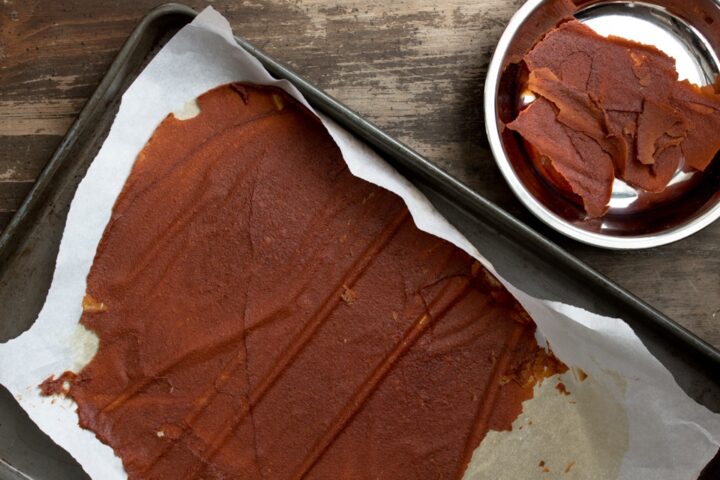
Line with Parchment Paper: Using parchment paper to line the pan will help make it easier to remove the dried miso/gochujang paste once it has been dried.
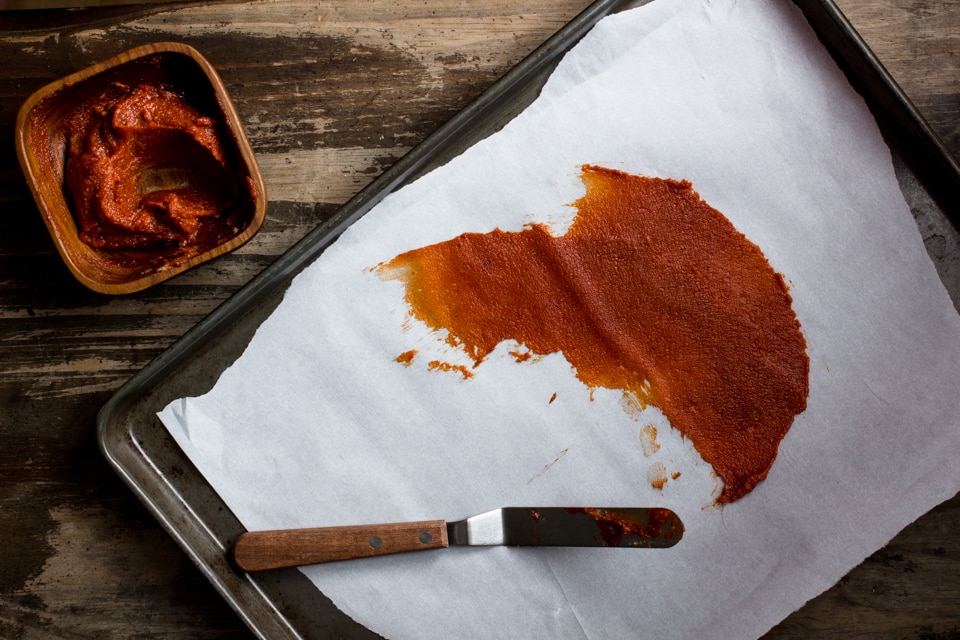
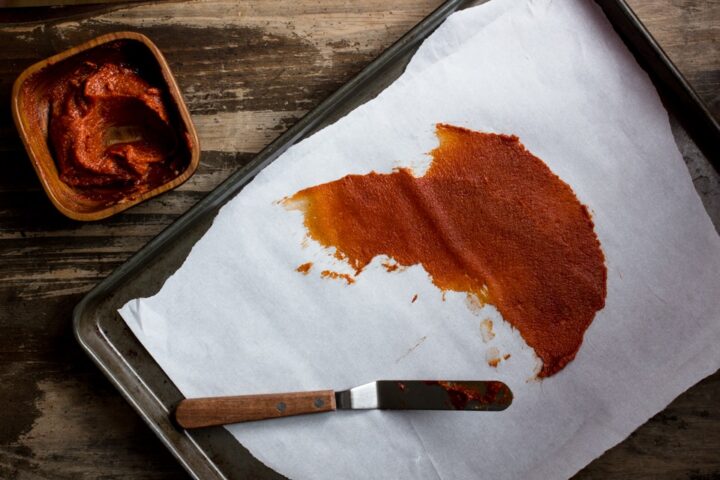
Combine Miso and Gochujang Together and Spread the Paste: To make the miso/gochujang paste, simply just mix the 2 pastes together in a bowl. It is very important that you spread the paste very thinly on parchment paper before drying it. It will reduce the drying time significantly. I spread mine 1 mm thick.
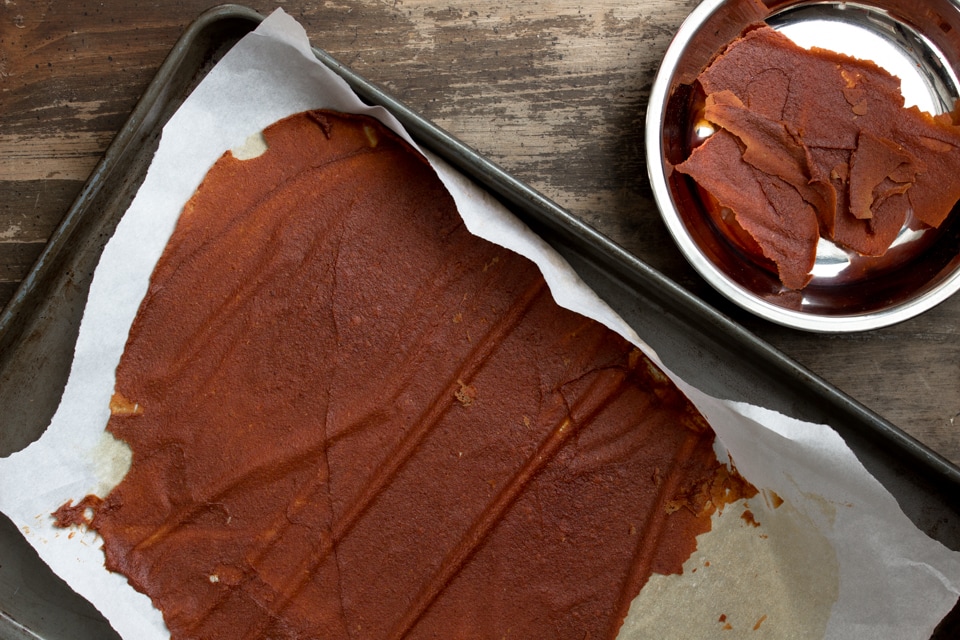
Bake the Paste: Preheat your oven to its lowest setting (ideally, around 150F or 66C). Bake the paste for about an hour and a half.
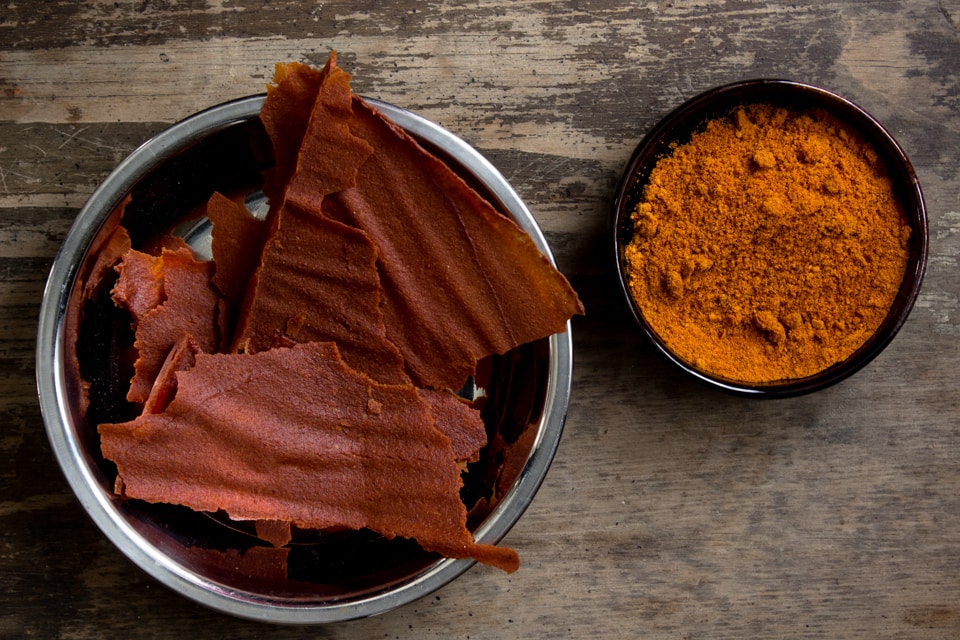
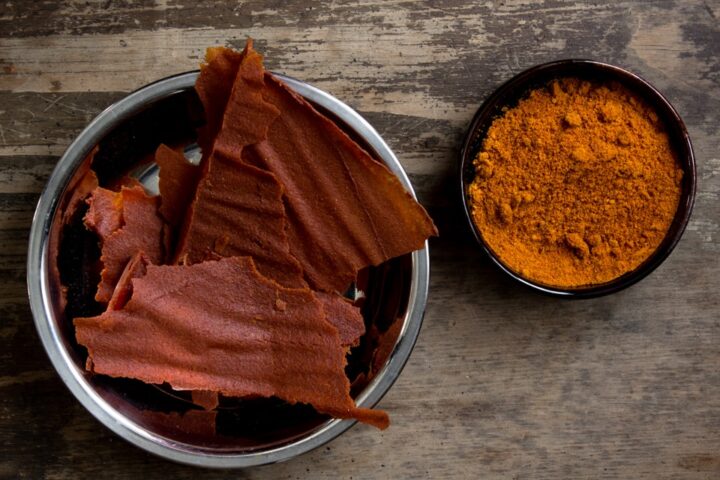
Blitz into powder: Once you have the dried miso/gochujang paste broken up, blitz it into a fine powder in a food processor or blender. This recipe will make extra powder - use it to flavor anything that you would normally use salt on for an added umami flavor boost!
Toast the Rest of the Ingredients
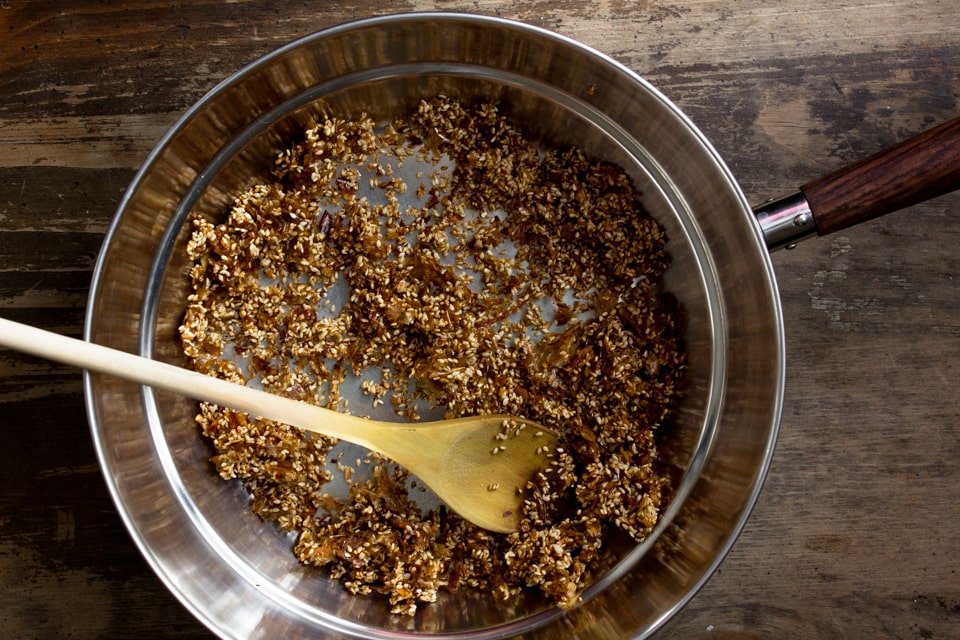
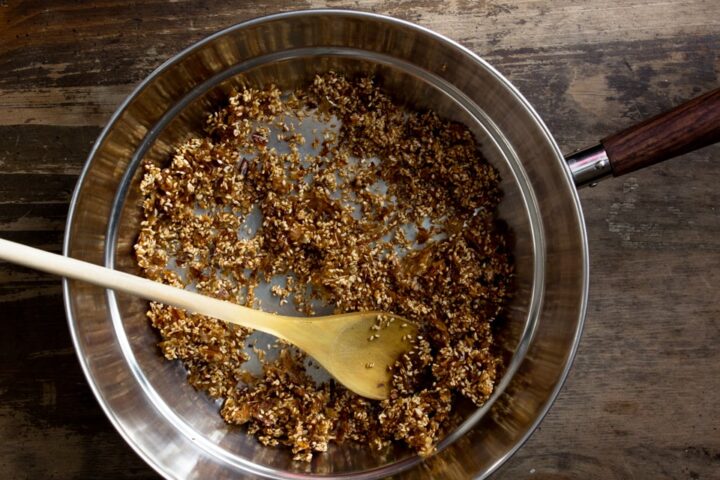
Toast the Ingredients: Crisping up the rest of the ingredients was the easiest part. Just make sure you toast the garlic and sesame seeds during the second half of the toasting so they don't burn. The goal for this is to make everything 'candied' by drying out the soy sauce and mirin right onto the bonito flakes and then toasting everything to give it a bit more of a nutty flavor.
Cool and Crumble: Once everything is candied and cooled, you should be able to easily crumble it with your fingers into even smaller pieces. If the ingredients still feel a bit wet to you after it has cooled, add it back onto the heat and dry it up for a few more minutes by toasting it.
Shred up the Seaweed
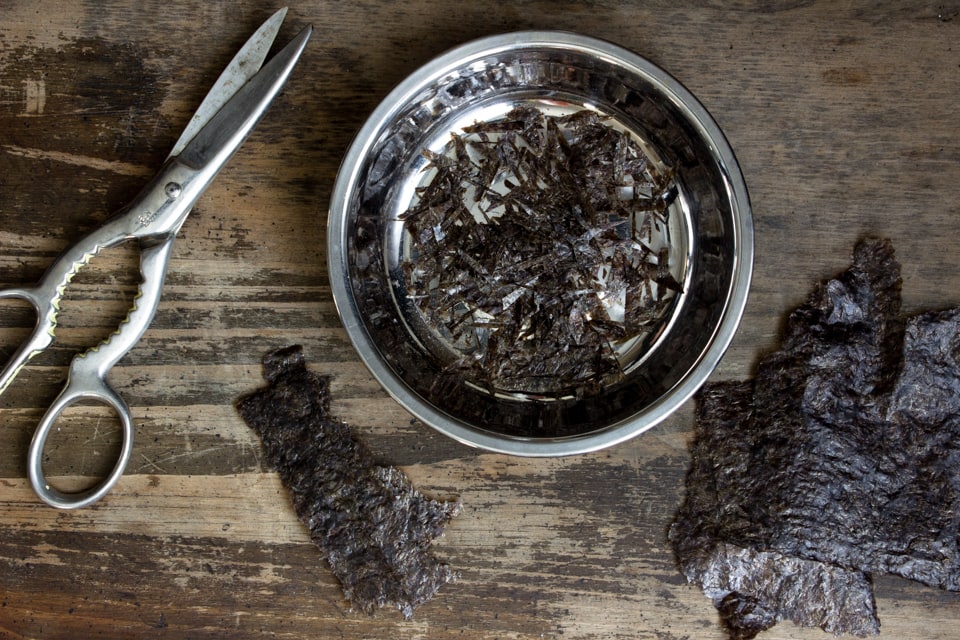
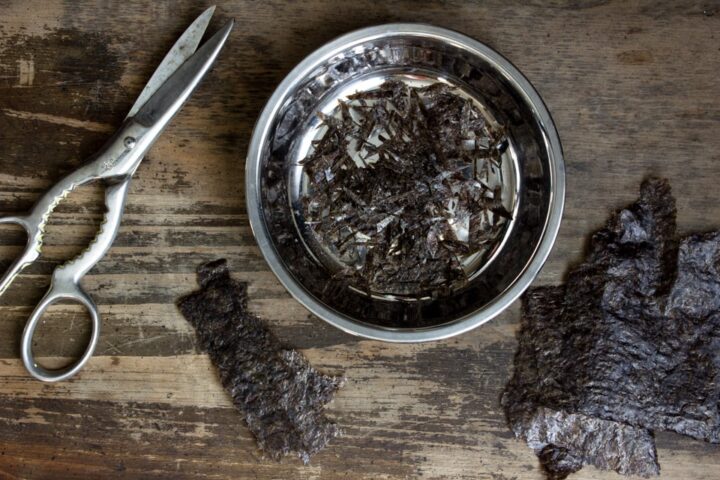
Rip and Cut the Seaweed: Rip the seaweed into small manageable sizes; stack them up into a pile; cut them into long strips ½ width in size and stack them up again, then cut them up into smaller pieces.
Mixing Everything Together
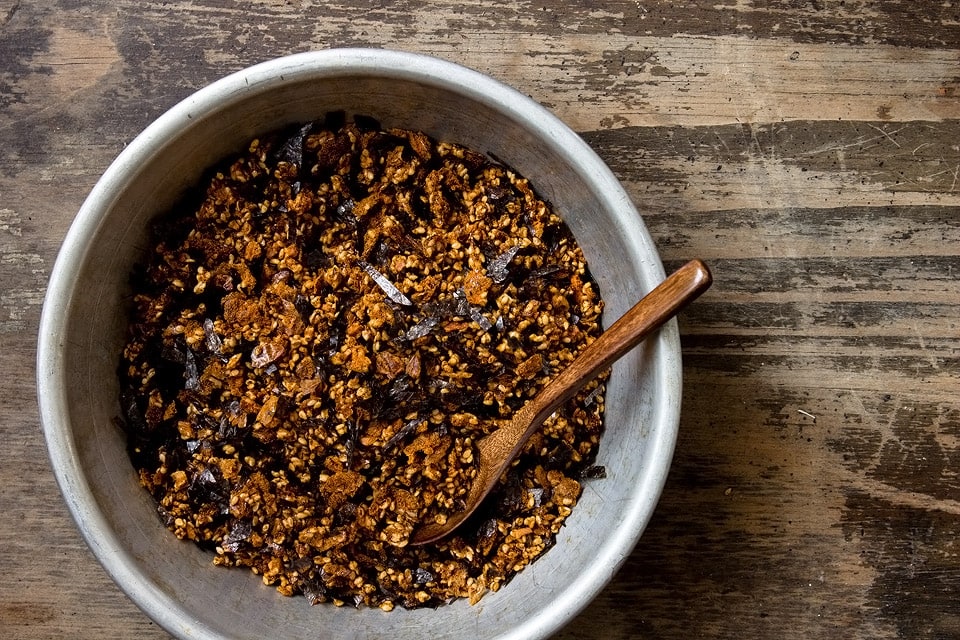
Combine All Ingredients: Once the miso/gochujang powder, toasted ingredients, and shredded seaweed have cooled, combine them in a bowl. Add three tablespoons of the miso/gochujang powder and mix well.
Joyce’s Tips For Making the Best Furikake Seasoning
- Patience is Key: Making your own furikake seasoning can be a lengthy process, especially when preparing the miso/gochujang powder. Make sure to allocate enough time for this to avoid rushing and compromising the quality of your seasoning.
- Pay Attention When Toasting: During the toasting process, keep a close eye on the garlic as it tends to burn quickly. Constantly stirring the ingredients in the pan will prevent them from burning and will guarantee an even toast.
- Shred the Seaweed With Scissors: When shredding the nori seaweed, using scissors can help achieve the right size and consistency. Remember, the pieces don't have to be perfectly sized, a little whimsy adds to the homemade charm! To make it quicker, just stack a pile of nori seaweed on top of each other before you cut.
- Make Sure All Ingredients Are Dry: Before storing your furikake seasoning, make sure all components are completely dry. Any moisture can cause the seasoning to clump together and affect its shelf life.
- Break Apart Clumps: If your furikake clumps together, you can easily break it apart by running a fork through it a few times or by shaking the container vigorously.
- Experiment with Flavors: Feel free to add other ingredients like shiitake mushroom powder for an umami boost or use store-bought miso powder if you want to save time. Your furikake seasoning, your rules!
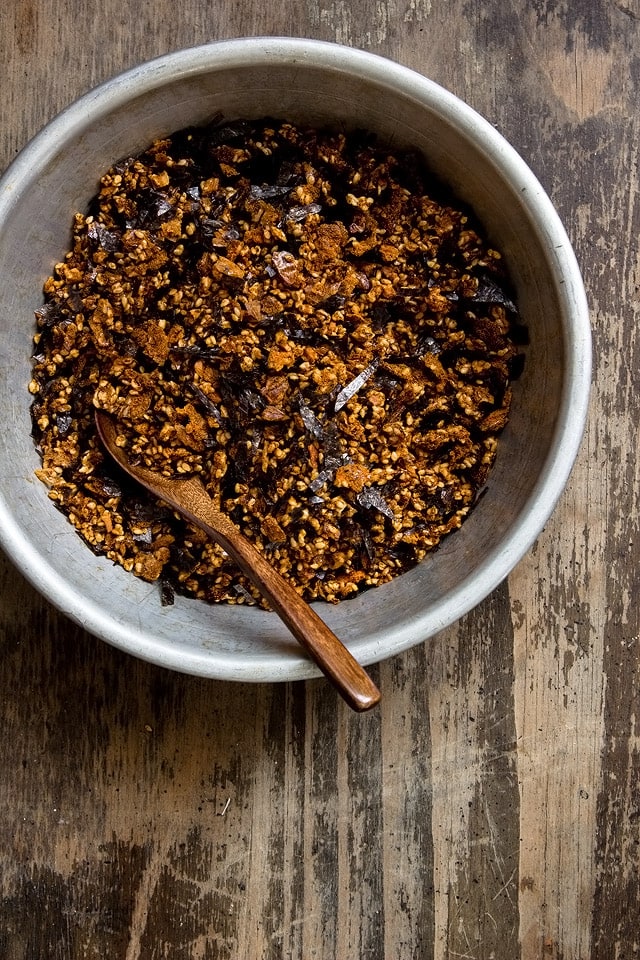
How To Use Furikake
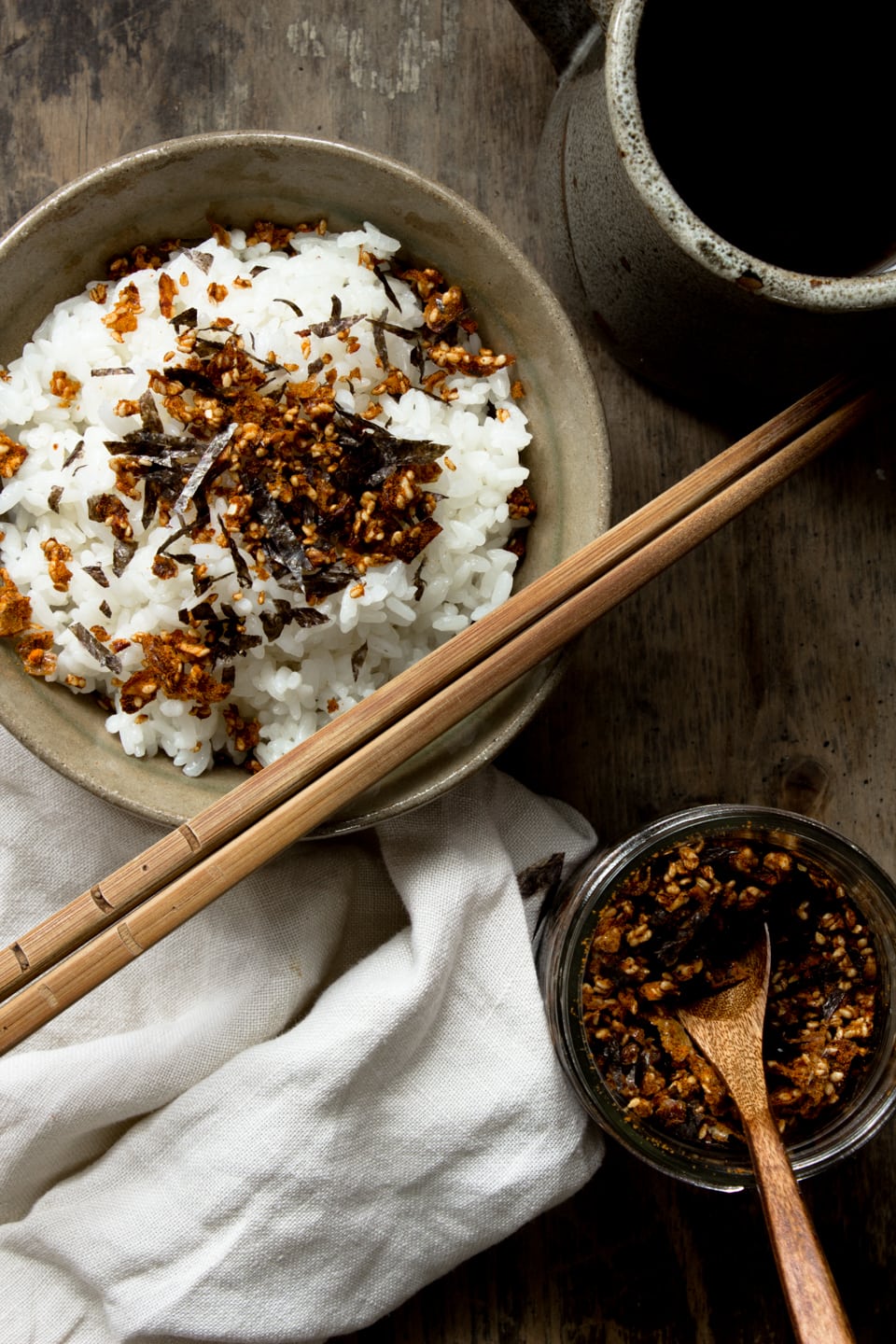
You can sprinkle this on anything and it will taste fantastic!
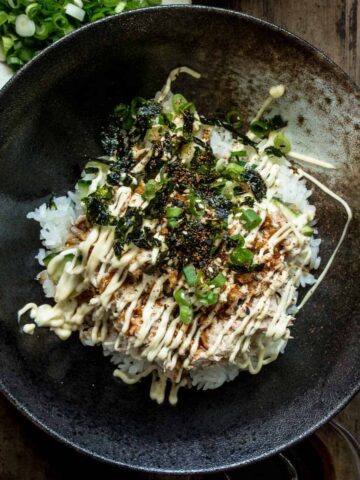
- Rice or Noodles: It can be sprinkled into a bowl of ramen, all sorts of like a tuna mayo deopbap (Korean tuna rice bowl), poke bowls, garlic tofu buddha bowl, udon noodle soup, or cold soba noodles (zaru soba). It can also be added to plain white rice with Kewpie Japanese mayo to make easy furikake rice.
- Protein: It can also be added to any delicate protein dishes like fish, scrambled eggs, omelets, sunny side fried eggs, or sushi.
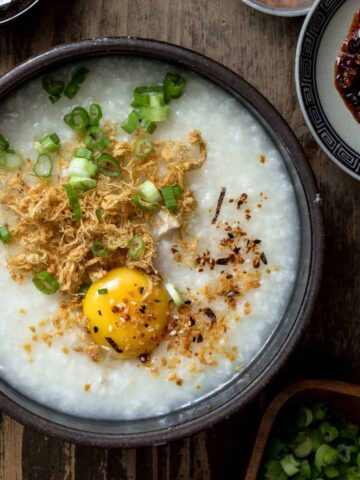
- Soups and Salads: I love adding this to tuna salads, our roasted garlic blue cheese pasta salad, any type of creamy soup like our garlic mushroom soup. It is also an amazing congee topping for chicken congee or plain congee!
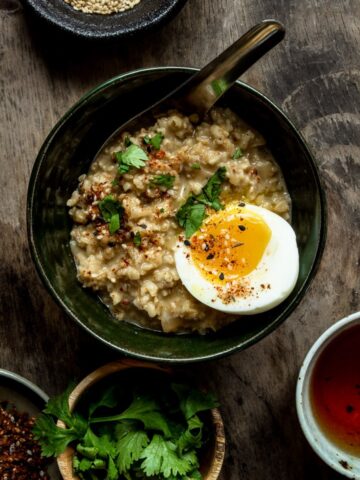
- Snacks and Dips: This can be sprinkled over popcorn but you'll need to spray it with a bit of oil so that will stick to it. I also love sprinkling this on top snack dips, cheese ramen, tteokbokki (Korean spicy rice cakes), blistered shishito peppers, or even savory oatmeal with miso, cheese, and egg!
Recipe Variation Ideas for Furikake Seasoning
This delicious furikake seasoning recipe is so flavorful and easy to make, you'll want to try out some of these delicious variations! Here are some great ideas:
Try It with Wasabi: For those who love the kick of wasabi, this variation is a must-try. Simply add a teaspoon of wasabi powder to the mixture. Be careful not to add too much because wasabi is super spicy!
Add a Hint of Sweetness: For a surprising twist, try adding a tablespoon of sugar to your furikake seasoning. This will balance out the savory flavors with a hint of sweetness.
Make It Into A Spicy Furikake Seasoning: Add a few tablespoons of chili flakes and transform it into a spicy furikake!
Frequently Asked Questions
Yes, if you're short on time, you can certainly use store-bought miso powder. The homemade miso/gochujang powder adds a unique flavor, but store-bought miso powder will work just fine.
Furikake seasoning is incredibly versatile and can be used on a variety of dishes. It is excellent on plain rice, eggs, pasta, popcorn, soups, salads, stews, noodles, and even roasted potatoes.
If your Furikake seasoning clumps together, you can easily break it apart by running a fork through it a few times or by shaking the container vigorously.
Absolutely! Furikake seasoning is very flexible. For an umami boost, try adding in some shiitake mushroom powder. You can also experiment with other ingredients based on your personal taste preferences.
How to Store Leftover Furikake Seasoning
You can easily store your furikake seasoning in an airtight container in a cool, dry place in your kitchen or pantry. Keep in mind that any moisture will make it clump, so it’s important to make sure everything is completely dried before you store it. It will last up to six months when stored properly.
Recipes That Use Furikake

Recipes To Use Up Leftover Miso
- Easy Miso Pumpkin Soup
- Savory Oatmeal with Miso, Cheese, and Egg
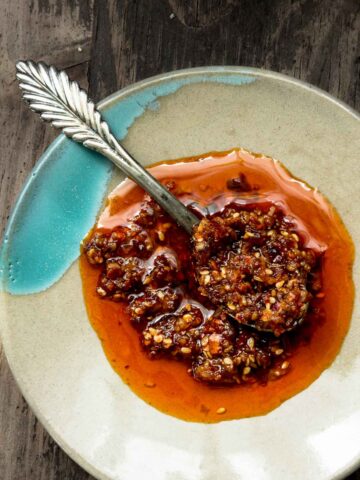
- 15-Minute Chili Garlic Oil (Classic Spicy Asian Oil With Miso)
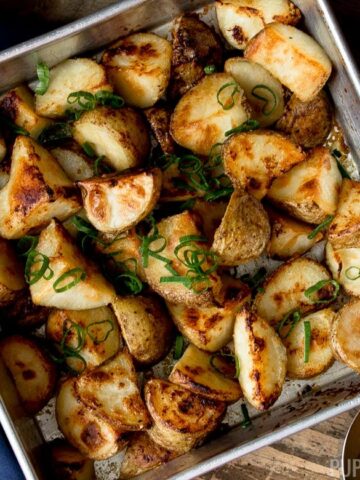
- Honey Miso Garlic Roasted Potatoes
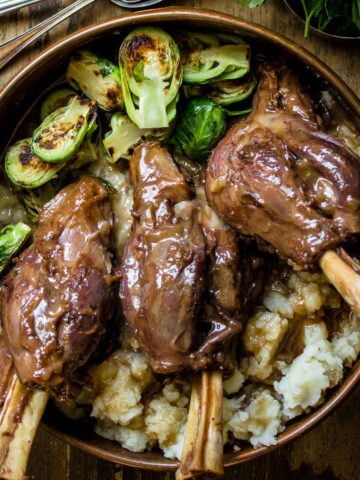
- Braised Lamb Shank in Red Wine Sauce
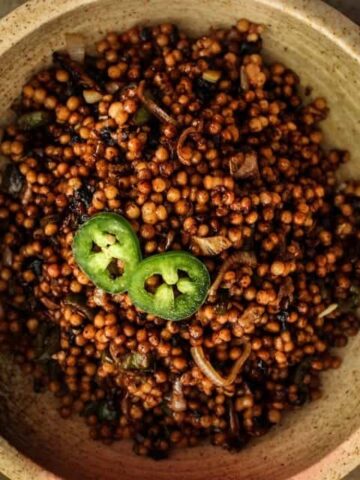
- Spicy Black Garlic Miso Pearl Couscous
- Roasted Miso Cauliflower Mushroom Soup
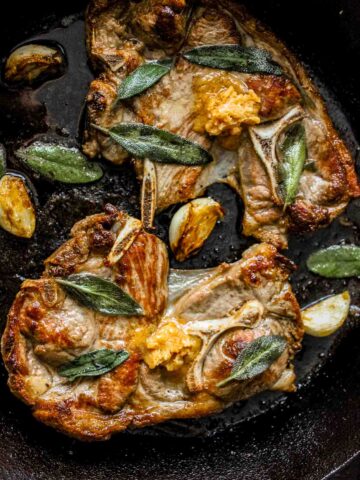
- Pan Fried Lamb Chops with Miso Butter


More Japanese Recipes You May Like
- Miso Butter
- Teriyaki Chicken Yaki Udon
- Spicy Sriracha Mayo
- Easy Cold Soba Noodles (Zaru Soba)
- Sesame-Crusted Teriyaki Salmon
- Miso Eggplant (Nasu Dengaku) with Black Garlic
- Charred Lemon Garlic Edamame
- Blistered Shishito
- Japanese Curry Udon
Did You Make This Recipe?
If you made this Japanese furikake seasoning recipe, I want to see! Follow Pups with Chopsticks on Instagram, snap a photo, and tag and hashtag it with @pupswithchopsticks and #pupswithchopsticks. I love to know what you are making!
Please also consider leaving a ⭐⭐⭐⭐⭐ rating and a comment to tell me how it went! I'd love to hear from you if you made this!
If you like my recipes and want to be updated on when new ones come out, please consider subscribing to my newsletter (we don't spam) and follow along on Instagram, Facebook, and Pinterest for all of my latest recipes!
Recipe Card
Homemade Furikake Seasoning Recipe
Joyce's Recipe Notes
- The miso/gochujang powder will make approximately ¼ cup of powder. You will have extra leftover powder. Use the extra powder to sprinkle on any dish you would sprinkle salt on for some added flavor!
- Store your furikake in an airtight container. Any moisture in the air will make it clump together - but if it does clump together, it's also not a big deal you can easily break it apart by running a fork through it a few times or shake the container vigorously.
- If you are putting this on plain rice, it tastes phenomenal with some Japanese kewpie mayonnaise mixed into the rice before sprinkling on the furikake!
- If you want to make this more quickly, you can skip making your own powder and purchase miso powder.
- For an umami boost, you can also add in some shiitake mushroom powder as well.
- Make it spicy by adding a few tablespoons of chili flakes into it!
Ingredients
Miso/Gochujang Powder Ingredients
- 3 tablespoons miso paste
- 1 ½ tablespoon gochujang (Korean hot pepper paste)
Furikake Ingredients
- 1 cup bonito flakes
- ½ tablespoon soy sauce
- 2 teaspoons mirin
- ¼ cup sesame seeds
- 2 cloves garlic (finely chopped)
- 1 sheet nori seaweed
- 3 tablespoon of miso/gochujang powder that was previously made
Instructions
Making the Miso/Gochujang Powder
- In a small bowl, combine 3 tablespoons miso paste and 1 ½ tablespoon gochujang (Korean hot pepper paste) paste together. Put a piece of parchment paper into a cookie sheet and spread the paste thinly (1mm thick) onto the parchment paper.

- Set the oven to 150F (66C) or as low as your oven can go and bake for 1 hour and 30 minutes.While you are waiting for the paste to dry in the oven, you can start the "Toasting the Ingredients" steps below.
- Once 1 hour and 30 minutes has passed, check to see if the paste feels 'bendy' or 'gummy'. When you bend the parchment paper, the paste should crack slightly. If it still feels moist, continue to bake it for another 30 minutes until it is dry.
- Once the paste has dried, peel it off the parchment paper, and break it up into smaller pieces, and blitz it in a food processor or blender until it becomes a powder.
- Set the powder aside for later.
Toasting the Ingredients
- Finely chop 2 cloves garlic and set aside for later.
- In a frying pan, set the stove to low heat and add in 1 cup bonito flakes, ½ tablespoon soy sauce and 2 teaspoons mirin and start toasting it for approximatly 5-7 minutes. (Don't worry, it's supposed to clump together at first)
- Add ¼ cup sesame seeds, and the finely chopped garlic and mix it together and toast it for another 4-6 minutes until they are 'candied'. It should be golden brown color, make sure to keep everything moving in the pan to prevent it from burning. Pay attention the the garlic bits the most, as they tend to burn the quickest.
- Remove it from the heat and set it aside to cool for 10 minutes. When it is cool it should feel crispy and candied. (If it still feels moist, add it back into the frying pan to toast for another 1-2 minutes and let cool again)
- Once the bits have cooled, use your fingers to break apart the pieces. Some of the bonito flakes might still be in large chunks. Once everything has been crumbled into small pieces, set it aside for later.
Shredding the Seaweed
- Using your hand, rip the seaweed sheet in half.
- Then take first sheet and rip it into thin pieces 1-2 cm wide strips (they don't need to be perfectly sized), repeat the same process on the second sheet
- Once all the seaweed are in short 1-2 cm strips stack 3-4 of them on top of each other and use scissors to cut them into tiny pieces. I like to be whimsical and not cut them uniformly sized, by cutting triangle shapes from the corners of the strips.
- Once the seaweed is all shredded up, set it aside for later.
Mixing Everything Together
- Once you have finished making the miso/gochujang powder, toasted the ingredients and shredded the seaweed and everything has cooled, combine all the seaweed, toasted ingredients and 3 tablespoons of miso/gochujang powder and mix well in a small bowl.
- Store in an air tight container for a few weeks.
- Enjoy with: plain white rice, eggs, pasta, popcorn, roasted potatoes..etc 🙂
Nutrition
*Nutritional information is calculated using online tools and is an estimate*
Disclaimer: We are a participant in the Amazon Services LLC Associates Program, an affiliate advertising program designed to provide a means for us to earn fees by linking to Amazon.com and affiliated sites. While I appreciate the support – please try to buy your items locally if possible to support your local shops (chances are they are cheaper locally as well!)
Kim says
Can I use dried garlic instead?
Joyce Lee says
Hi Kim!
Apologies for the late reply.
Dried garlic might burn, so I would add it in at the very end, and not toast it with the bonito mix. If you want to add it in the bonito mix to toast, I would still add it in at the very end, toast it no more than 10-15 seconds.
Hope this helps!
Josie says
I have tried to make this recipe before,. Now I am making it again, but with your tips quoted in this recipe, it turned out so much better than the last time I made.
Joyce Lee says
Hi Josie!
Thanks for trying it! I'm very happy you like it!
josie says
This is a new adventure for me to do this Homemade Furikake Recipe, I followed all your ingredients to make it, turned out perfectly well !!! Thanks.