


This Korean Jjajangmyeon (Ja Jang Myun) noodle dish features a umami rich, sweet and savory black bean sauce served over chewy wheat noodles—a combination that's both simple and incredibly satisfying.

If you're looking for a hearty, satisfying noodle recipe that's a little different from the usual, then my jjajangmyeon (aka Ja Jang Myun) noodle recipe is a must-try.
Originating from Korea, this delicious black bean sauce noodle dish is a beloved comfort food that's both easy to make and incredibly tasty. The rich, sweet and savory sauce is made from Korean black bean paste (chujang), pork belly, potatoes and onions coats the noodles perfectly, creating a dish that's full of flavor and sure to satisfy your cravings. Perfect for lunch or dinner, jajangmyeon is a fantastic addition to your recipe collection.
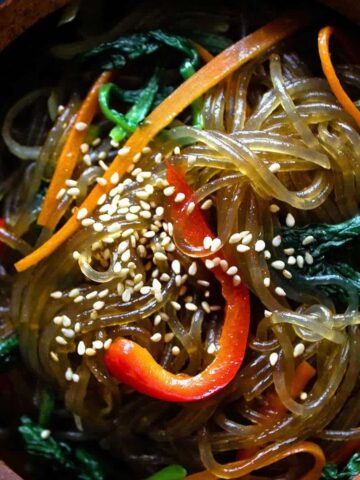
If you're a fan of this dish, you'll also love the versatility and flavors of other Asian recipes like yaki udon, the sweet and savory Korean rice cake dish called rabokki, and japchae, a deliciously colorful and sweet and savory Korean glass noodle dish.
Jajangmyeon Ingredients

- Wheat Noodles (Fresh or Dried): These noodles are the base of the dish, providing a hearty, satisfying chewy texture that pairs perfectly with the rich black bean sauce. You can find both fresh and dried wheat noodles at any Asian or Korean supermarket.
- Pork Belly: Finely chopped pork belly gives the jajang sauce a bit more substance. You can omit it to keep this dish simpler and easier to make. If you don't have pork belly, bacon also works fantastic in this dish as well. I like to use low sodium bacon.
- Potato: The potato in this dish serves to thicken the black bean sauce, giving it a rich and hearty consistency that coats the noodles beautifully.
- Garlic and Onion: These two ingredient adds a delicious garlicky and onion flavor to the sauce, balancing the deep umami of the black bean paste.
- Cucumbers: These are used as a garnish, adding a refreshing crunch to the dish. They also provide a nice contrast to the warm, sweet and savory sauce.
Jajang Sauce Ingredients
- Black Bean Sauce (Chunjang): This is the star ingredient that gives Jajangmyeon its distinctive flavor and color. It's a Korean staple made from fermented black soybeans and wheat flour.
- Sugar: To sweeten this sauce, I use sugar. I like the sauce a little on the sweeter side, so if you like your sauce a bit saltier, use less sugar.
- Cornstarch and Water (Slurry): This is used to thicken the sauce, guaranteeing that it coats the noodles nicely. It's a common technique in Chinese and Korean cooking.
How to Make Jjajangmyeon
Making this incredible ja jang myun recipe at home is super easy and will give you great results every single time. Here's how to make it step by step:
Boiling the Noodles
Boil the Noodles: Cook the wheat noodles in a pot of boiling water. Once they're cooked, remove and rinse them with cold water immediately. Set them aside. Remember to cook the noodles for 1-2 minutes less than the instructions recommend to keep it chewy.
Add Oil to the Noodles: While the noodles are still wet, add a teaspoon of oil and mix it in. This will prevent the noodles from sticking together.

Preparation
Julienne the Cucumbers: Begin by thinly slicing the cucumbers into small, matchstick-like pieces. This will be used as a garnish for the finished dish, set the aside for the very end.

Dice the Potatoes: Next, peel the potatoes (optional) and cut them into small, evenly-sized cubes. This will allow them to cook quickly and evenly once they're added to the dish. Set them aside for later.
Finely Chop the Onions and Garlic: After that, finely chop the onions into small, uniform pieces. This will help them to cook down and release their flavor into the sauce. Then finely mince the garlic. Set these both aside for later.

Dice the Pork Belly: Cut the pork belly (or bacon), into small pieces, and set it aside for later.

Making the Jjajang Sauce
Cook the Onion and Pork Belly: In large skillet or frying pan, heat oil on medium heat and pan-fry the onions until they're fragrant and slightly brown. Then add in the pork belly and cook it for a few more minutes.

Toast the Sugar and Black Bean Sauce: Add more oil to the pan. Then add in sugar and black bean sauce and toast it in the oil for about 2 minutes to caramelize it.

Add the Potatoes and Garlic: Next add in the potatoes and minced garlic and cook it with the sauce for about 30 seconds.

Add in the Liquid: Adjust the heat to medium-low heat, and add in the broth or water and mix everything until it is evenly mixed. If there are any burnt brown bits on the bottom of the pan (called the Fond), scrape it with a wooden spoon into the broth for more flavor. Let it simmer with a lid on for about 10 minutes or until the potatoes are soft

Mix the Cornstarch Slurry: While we are waiting for the sauce to simmer. In a separate small bowl, mix the cornstarch with water to make a slurry. This will be used to thicken the sauce later.
Thicken the Sauce: Once it has finished simmering, give a quick stir to the cornstarch slurry in the bowl (the starch will settle at the bottom) and slowly pour it into the sauce. Keep stirring for a minute or two until the sauce thickens.

Serving Jjajangmyeon
Rinse the Noodles Again: The noodles may be clump together, rinse it with cold water again and wiggle them with your fingers to loosen them up into individual strands again. Make sure you drain them well so there isn't any excess water in the bowl, which will water down your sauce.
Plate the Noodles: Add the noodles to a bowl or a large plate, then ladle the jjajang sauce on top of them.
Top with Cucumbers: Garnish with your julienne cucumbers on top or the side of the plate.
Serve: Your Jajangmyeon is ready to be served! Enjoy this delicious Korean Chinese noodle dish.

Joyce’s Tips For Making the Best Korean Black Bean Noodles
- Use Wheat Noodles (Dry vs Fresh Noodles): For this Korean black bean noodles dish, it's best to use wheat noodles, as they provide the perfect chewy texture that compliments the rich jjajang sauce. You can find them both in dry or fresh form (make sure you see wheat in the ingredient list). I personally think they both are great. Remember to boil the noodles for 1 minute less than the instructions to keep them firm and springy.

- Use Korean Bean Sauce, Not Chinese Black Bean Sauce: It's important not to substitute Chinese black bean paste (lee kum kee brand) with Korean Black bean sauce (chujang). The Korean version tastes less pungent than the Chinese version, so it works well as a sauce for the noodles. The Chinese version is more fermented, and will be too strong of a flavor for this noodle dish.
- Pork Belly Substitution: If you can't get pork belly, you can also use bacon! I like to use low sodium bacon, because it' is less salty, and make sure you cut them into ½ inch pieces, so you can have bites of it with your noodles.
- Rinse Noodles In Cold Water After Boiling Them: After boiling, rinse the noodles with cold water to stop the cooking process and cool them down. This also helps to prevent the noodles from sticking together. Don't forget to add a teaspoon of oil to the wet noodles and mix it well to keep them from sticking.
- Rinse the Noodles Right Before Serving As Well!: Since we parboil the noodles first, chances are when we are ready to plate everything, the noodles will be tacky and stuck together (even if you oil it.) To get the noodles slippery and less tacky again, I run the noodles under cold water in the colander again and wiggle it with my fingers to remove the excess starches, which makes them fresh again!

How to Serve Jajangmyeon
- The easiest and simplest way to serve jjajangmeyon is with a side of thinly sliced cucumbers on the side, which provide a freshness to this saucy noodle dish. Alternatively, you can also serve it a Korean cucumber salad (oi muchim) as well if you want a bit more flavor.
- I love to have Jjajangmyeon with a side of pickled radish. The sweet and tangy and crunchy flavor of the pickled radish compliments the rich and savory flavor of the black bean sauce in the noodles, and cuts through the heaviness.
- Sometimes, if I have leftover rice, I like to serve it with rice instead! It's delicious with plain rice, egg fried rice and garlic fried rice!

Recipe Variation Ideas
- Spicy Jjajangmyeon: If you're a fan of spicy food, this variation is a must-try. Simply add a teaspoon of red pepper flakes to the jjajang sauce for an extra kick. The heat from the pepper flakes adds a new dimension to the dish, making it perfect for those who love their noodles with a spicy twist.
- Seafood Jjajangmyeon (Samseon jjajangmyeon): For a luxurious twist, try adding seafood to your Korean black bean noodles. Squid or shrimp can be added to the sauce for a seafood variation. The seafood adds a unique flavor and a touch of elegance to the dish, making it a great option for dinner parties or special occasions.
Frequently Asked Questions
Jajangmyeon, also called jjajangmyeon, is a noodle dish in black bean sauce. Along with jjamppong (spicy seafood noodle soup) and tangsuyuk (sweet and sour pork or beef), it’s a popular Korean-Chinese dish. Called collectively as Junghwa Yori (중화요리), Korean-Chinese cuisine was developed by early Chinese immigrants in Korea. It’s a huge part of Korean food culture.
While wheat noodles are the traditional choice for Jjajangmyeon, you can substitute them with other noodles like udon or spaghetti (cooked el dente). Just keep in mind that the texture and overall flavor of the dish may vary.
Black bean sauce, also known as chunjang in Korea, is a Korean condiment made from fermented black soybeans, rice, and salt. You can find it in the Asian section of your local grocery store or at an Asian market. This is not the same black bean sauce that is used in Chinese recipes. Do not substitute it with Chinese black bean sauces like the Lee Kum Kee brand ones.
To get the best chew, use a noodle made with wheat flour. These can be found both dry or fresh and the cooking time will vary based on which one you use for jjajangmyeon.
How to Store Leftover Jjajangmyeon
- Refrigerating: Leftovers of this Korean black bean noodles recipe can be stored in an airtight container in the fridge for up to 3 days. It's best to keep the sauce and the noodles separate if you have extras. Jjajangmyeon tastes best when it's fresh, so if possible, try to make a smaller batch so you don't get leftovers.
- Reheating: To reheat, simply place the noodles and sauce in a pan over medium heat. Add a splash of water if the sauce has thickened too much. Stir frequently until the dish is heated through. Alternatively, I also microwave it as well.
- Freezing: Unfortunately, this dish does not freeze well. The texture of the noodles will become mushy upon thawing. You can freeze the sauce, but keep it mind that once it thaws it may become watery, and need to be re-thickened with a cornstarch slurry again.

More Korean Recipes You May Like
- Kimchi Fried Rice with Spam
- Spicy Pork Bulgogi (Classic Jeyuk Bokkeum Recipe)
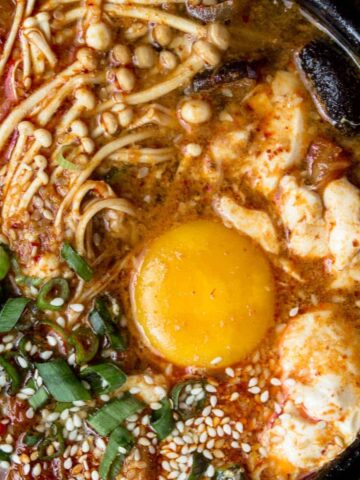
- Easy Soondubu Jjigae Recipe (Spicy Korean Soft Tofu Stew)
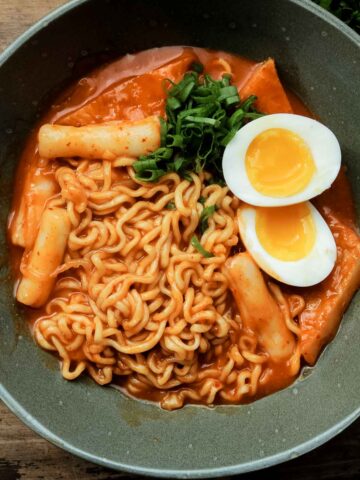
- Easy Rabokki (Korean Ramen and Tteokbokki)
- Korean Corn Cheese (Elote Style)
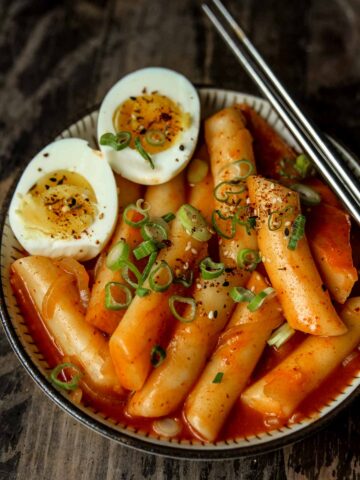
- Easy Tteokbokki (Korean Spicy Rice Cakes)
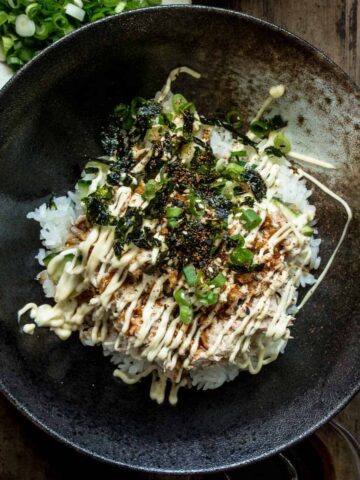
- Tuna Mayo Deopbap (Korean Tuna Rice Bowl)
- Easy Japchae (Korean Glass Noodles Stir Fry)



If you made this Jajangmyeon (Korean Black Bean Sauce Noodles), I want to see! Follow Pups with Chopsticks on Instagram, snap a photo, and tag and hashtag it with @pupswithchopsticks and #pupswithchopsticks. I love to know what you are making!
Stay connected and follow along on Facebook, Pinterest, and Instagram for all of my latest recipes!
Recipe Card

Jjajangmeyeon (Korean Black Bean Sauce Noodles)
Ingredients
Method
- Cook 200 g fresh wheat noodles (or 150g dried wheat noodles) in a pot of boiling water. To keep the noodles chewy, cook them for 1 minute less than the instructions recommend.
- Once they're cooked, strain them out into a colander and rinse them with cold water immediately. Add a teaspoon of oil and mix it in. This will prevent the noodles from sticking together.


- Begin by thinly slicing ⅓ cucumber into small, matchstick-like pieces. This will be used as a garnish for the finished dish, set the aside for the very end.
- Next, cut 1 small potatointo small, evenly-sized ¼ cubes. I don't peel my potatoes, but if you prefer them peeled, you can peel them before cutting them. Set them aside for later.
- After that, finely dice 1 small onion into small ¼ inch pieces. Then, finely mince 1 clove garlic clove. Set these both aside for later.
- Cut the 150 g pork belly (or bacon), into ½ inch pieces, and set it aside for later.


- In a large skillet or frying pan, heat oil on medium heat and pan-fry the onions until they're fragrant and slightly brown. Then add in the pork belly and cook it for a few more minutes.
- Add more oil to the pan. Then add in 2 tablespoons sugar and 5 tablespoons Korean black bean sauce (chunjang) and toast it in the oil for about 2 minutes to caramelize it.
- Next add in the potatoes and minced garlic and cook it with the sauce for about 1 minute.
- Adjust the heat to medium-low, add 1½ cups chicken broth or water, and mix everything until it is evenly mixed. If there are any burnt brown bits on the bottom of the pan (called the Fond), scrape them with a wooden spoon into the broth for more flavor. Let it simmer with a lid on for 10 minutes.
- While we wait for the sauce to simmer, mix 1 tablespoon potato starch (or cornstarch) with 1½ tablespoon cold water in a separate small bowl to make a slurry. This will be used to thicken the sauce later.
- Once the jjajang sauce has finished simmering, give the starch slurry a quick stir (the starch will settle at the bottom) and slowly pour it into the sauce. Keep stirring for a minute or two until the sauce thickens.


- The noodles may be clumped together in the colander. Rinse it with cold water again and wiggle it under running water with your fingers to loosen it up into individual strands again. Make sure you drain them well so there isn't any excess water in the bowl, which will water down your sauce.
- Add the noodles to a bowl or a large plate, then ladle the jjajang sauce on top of them.
- Garnish with your julienne cucumbers on top or the side of the plate.
- Enjoy this delicious Korean Chinese noodle dish.

Notes
- Use Wheat Noodles (Dry vs Fresh Noodles): For this Korean black bean noodles dish, it's best to use wheat noodles, as they provide the perfect chewy texture that compliments the rich jjajang sauce. You can find them both in dry or fresh form (make sure you see wheat in the ingredient list). I personally think they both are great. Remember to boil the noodles for 1 minute less than the instructions to keep them firm and springy.
- Use Korean Bean Sauce, Not Chinese Black Bean Sauce: It's important not to substitute Chinese black bean paste (lee kum kee brand) with Korean Black bean sauce (chujang). The Korean version tastes less pungent than the Chinese version, so it works well as a sauce for the noodles. The Chinese version is more fermented, and will be too strong of a flavor for this noodle dish.
- Pork Belly Substitution: If you can't get pork belly, you can also use bacon! I like to use low sodium bacon, because it' is less salty, and make sure you cut them into ½ inch pieces, so you can have bites of it with your noodles.
- Rinse Noodles In Cold Water After Boiling Them: After boiling, rinse the noodles with cold water to stop the cooking process and cool them down. This also helps to prevent the noodles from sticking together. Don't forget to add a teaspoon of oil to the wet noodles and mix it well to keep them from sticking.
- Rinse the Noodles Right Before Serving As Well!: Since we parboil the noodles first, chances are when we are ready to plate everything, the noodles will be tacky and stuck together (even if you oil it.) To get the noodles slippery and less tacky again, I run the noodles under cold water in the colander again and wiggle it with my fingers to remove the excess starches, which makes them fresh again!
Disclaimer: We are a participant in the Amazon Services LLC Associates Program, an affiliate advertising program designed to provide a means for us to earn fees by linking to Amazon.com and affiliated sites. While I appreciate the support – please try to buy your items locally if possible to support your local shops (chances are they are cheaper locally as well!)


Anonymous says
Anonymous says
Joyce Lee says
Anonymous says