

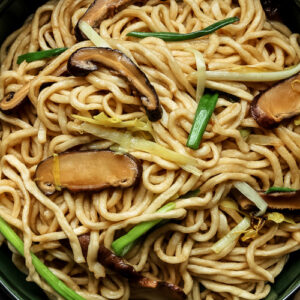
This longevity noodle recipe (Chinese birthday noodles) features perfectly chewy noodles, with shiitake mushrooms, Chinese garlic chives and a delicious savory umami sauce.
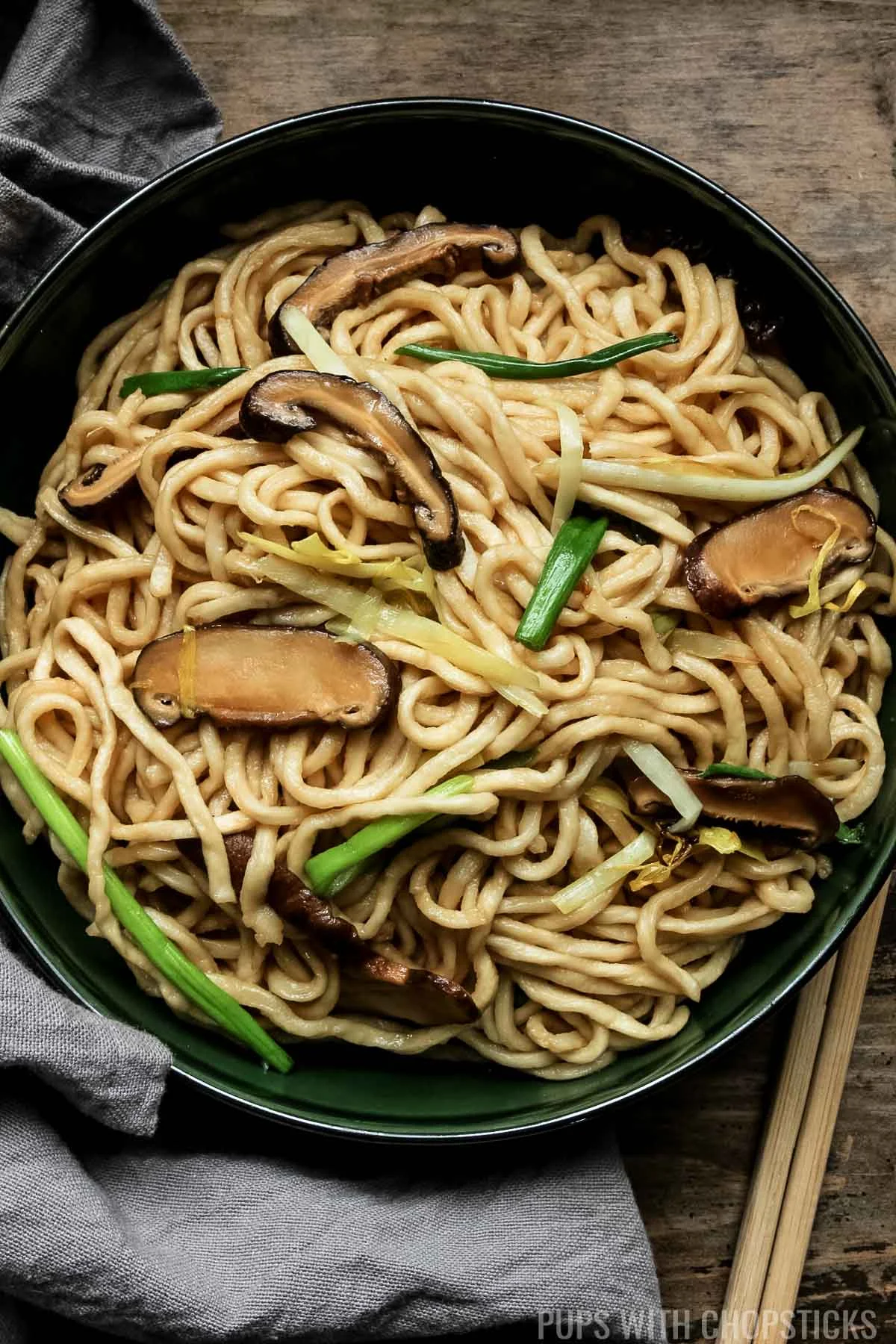
This longevity noodles recipe symbolizes long life and is a delicious blend of umami flavors, with shiitake mushrooms cooked in a savory oyster sauce. They are also known as Chinese birthday noodles are a staple at any celebration's banquet table and are a delicious, authentic treat when cooked just right.
That being said, they are also incredibly quick and easy to put together and make a fantastic, easy weekday dinner as well, and it always hits the spot with its perfectly chewy noodles.
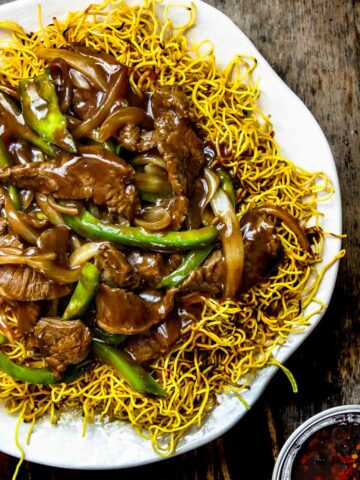
If you enjoy this recipe, you might also like my Chinese Beef Chow Fun, or Saucy Beef Ho Fun with Gravy which are hearty and satisfying chewy noodle dishes as well. Alternatively, my crispy Cantonese Beef Chow Mein offers a different take on noodles, with its crispy chow mein noodles topped with a delicious sauce with beef.
What is Yee Mein?
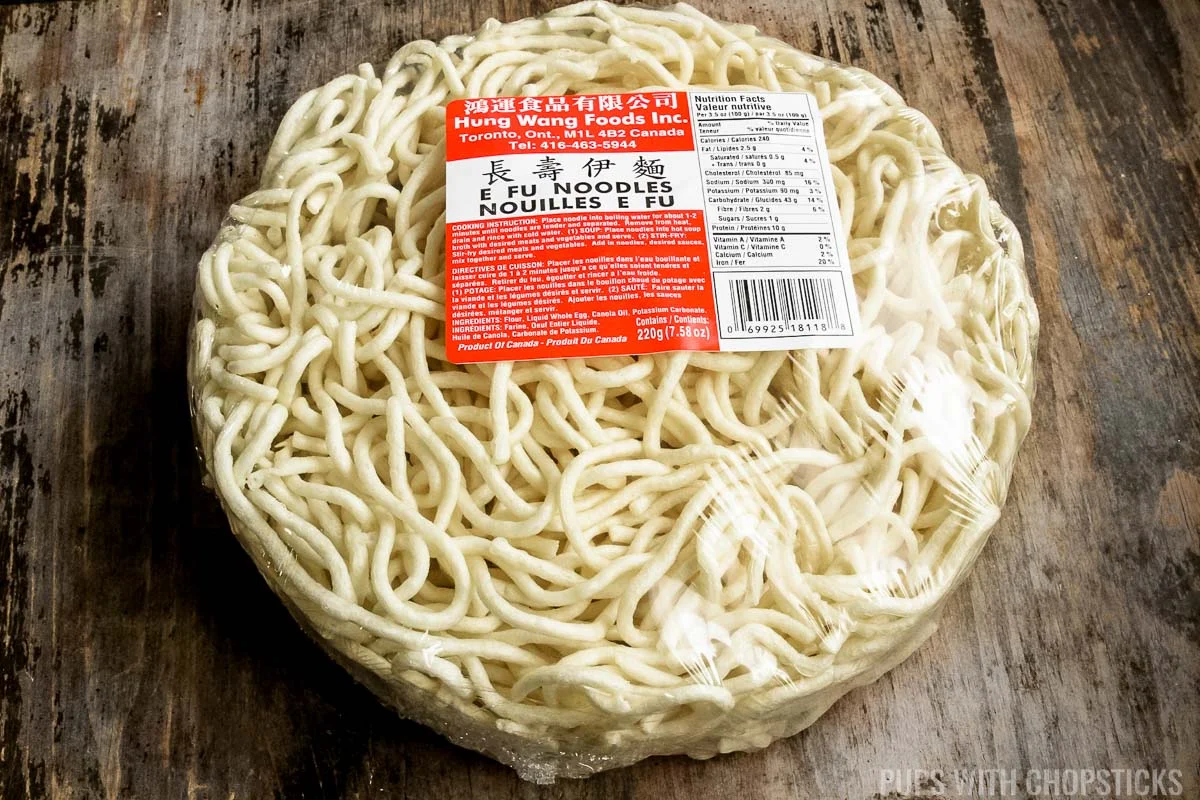
Yee mein, 伊麵 is also known as yi mein or e-fu noodles. They are Cantonese egg noodles made of wheat flour that have been deep fried.
They come in dried round cylinder bricks, and are most commonly found at Asian grocery stores (mainly Chinese grocery stores). I have seen them both in the fridge, by the fresh noodles and chow mein but I have also seen them out in room temperature as well, (by the fridges where the noodles are).
Once cooked, it is slightly spongy so it takes on the flavors of sauces very well because it's very good at absorbing sauces. That being said, because it is spongy, it is also very important that you don't over cook them during the par-boiling process because it can easily become mushy as well.
When done right, yee mein's texture is slightly soft, with a nice chewiness!
Why You’ll Love This Recipe
- Perfectly Chewy Noodles: The key to making these noodles satisfying is to not overcook the noodles during the boiling stage. This longevity noodle recipe, uses just enough time boiling and stir frying to create perfectly chewy delicious noodles.
- Symbolic and Traditional: This recipe is a beautiful blend of traditional ingredients that are not only delicious but also carry symbolic meaning, perfect for any celebration.
- Easy Weekday Dinner: With a prep time of just 15 minutes and a cook time of 5 minutes, this recipe is a quick and easy way to prepare a delicious meal.
Longevity Noodles Ingredients
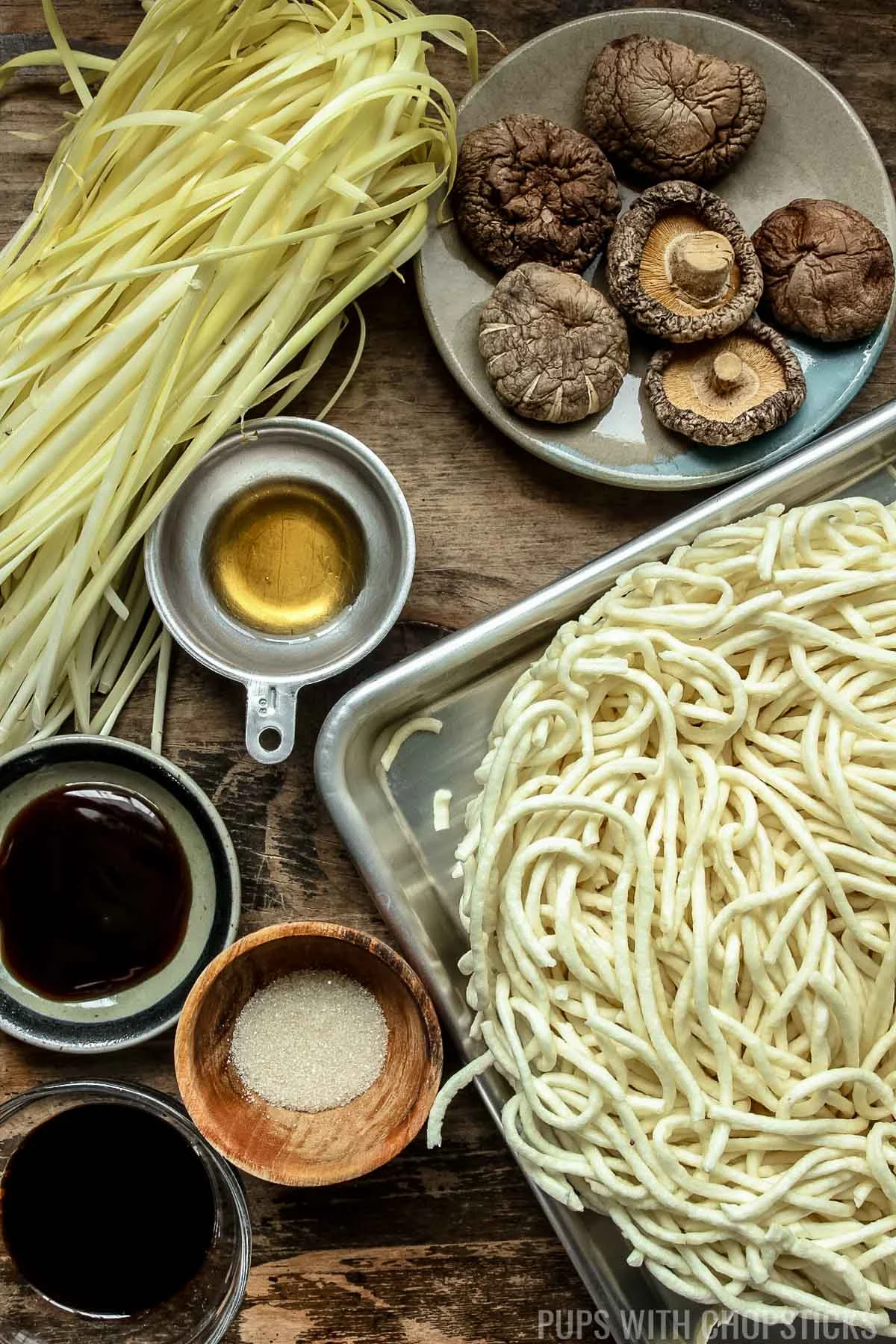
- Yi Mein: These noodles are unique because they have been previously deep-fried before being formed into their round shape. They have a chewy, satisfying texture that works well with stir-fried dishes. You can find these at Asian grocery stores, and they almost always come in a dried round brick form. These golden noodles are a symbol of a long life and prosperous life in Chinese culture because of it's long golden strands that should not be cut during preparation.
- Chinese Yellow Chives These add a fresh, slightly garlicky flavor to the dish. If you can't find it, you can also use regular garlic chives as well. The only difference would be the color. (Fun fact, it's only yellow because they are grown in the dark, so it's missing the chlorophyll.) Garlic chives are different than regular chives, and have a much stronger garlic flavor, if you can't find it you can omit it.
- Green Onions: I find green onions are a must in this dish and bring a pop of onion flavor as well as a freshness. You definitely should include it, especially if you can't find garlic chives.
- Shiitake Mushrooms: These mushrooms add a deep, earthy flavor and a meaty texture to the dish. They are a great source of umami, enhancing the overall flavor of the dish.
- Sauce (Oyster Sauce, Soy Sauce, Dark Soy, Water, Sugar): This sauce is the heart of the dish, providing a rich, savory flavor that coats the noodles and vegetables.
How to Make Longevity Noodles
Making this incredible longevity noodles recipe at home is super easy and will give you great results every single time. Here's how to make it step by step:
Preparation of Ingredients
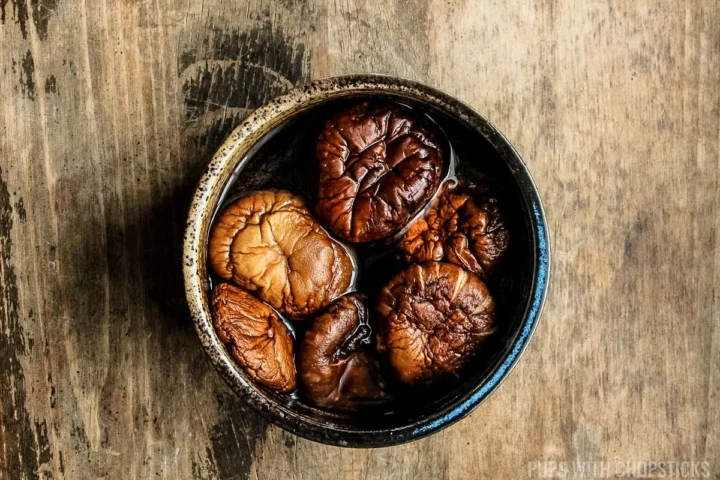
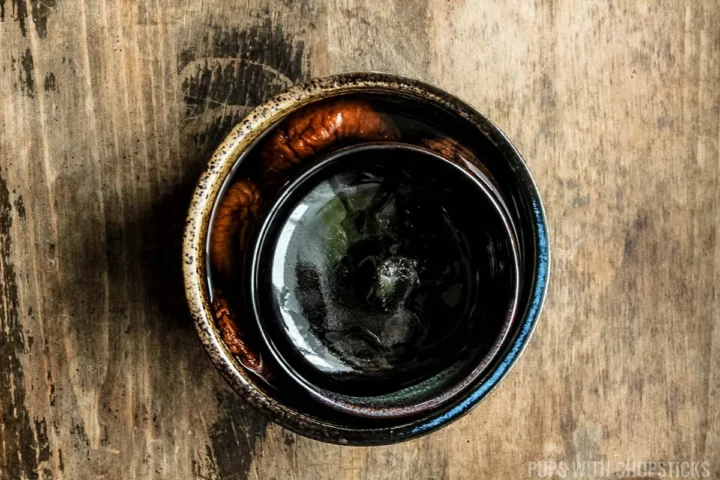
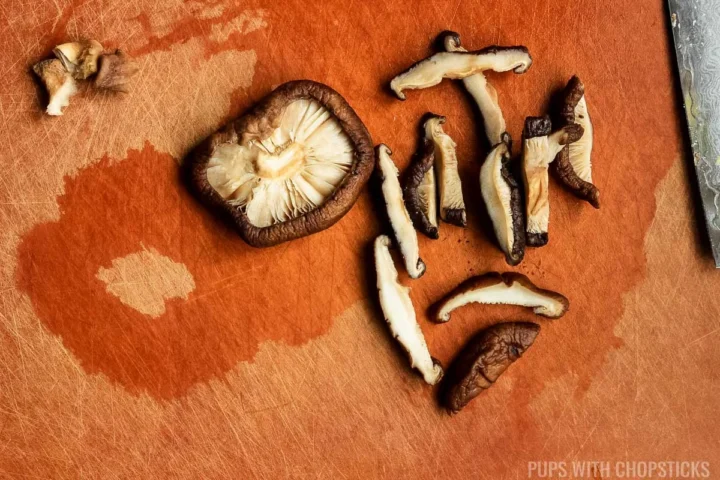
Soak the Shiitake Mushrooms: If you're using dried shiitake mushrooms, soak them in hot water for about 20 minutes or until they're soft (It may take longer if you use thicker or larger dried shiitake mushrooms). Use a plate or small bowl and place it on top of the mushrooms to fully submerge them in the water. (While you are waiting, prepare the rest of the ingredients).
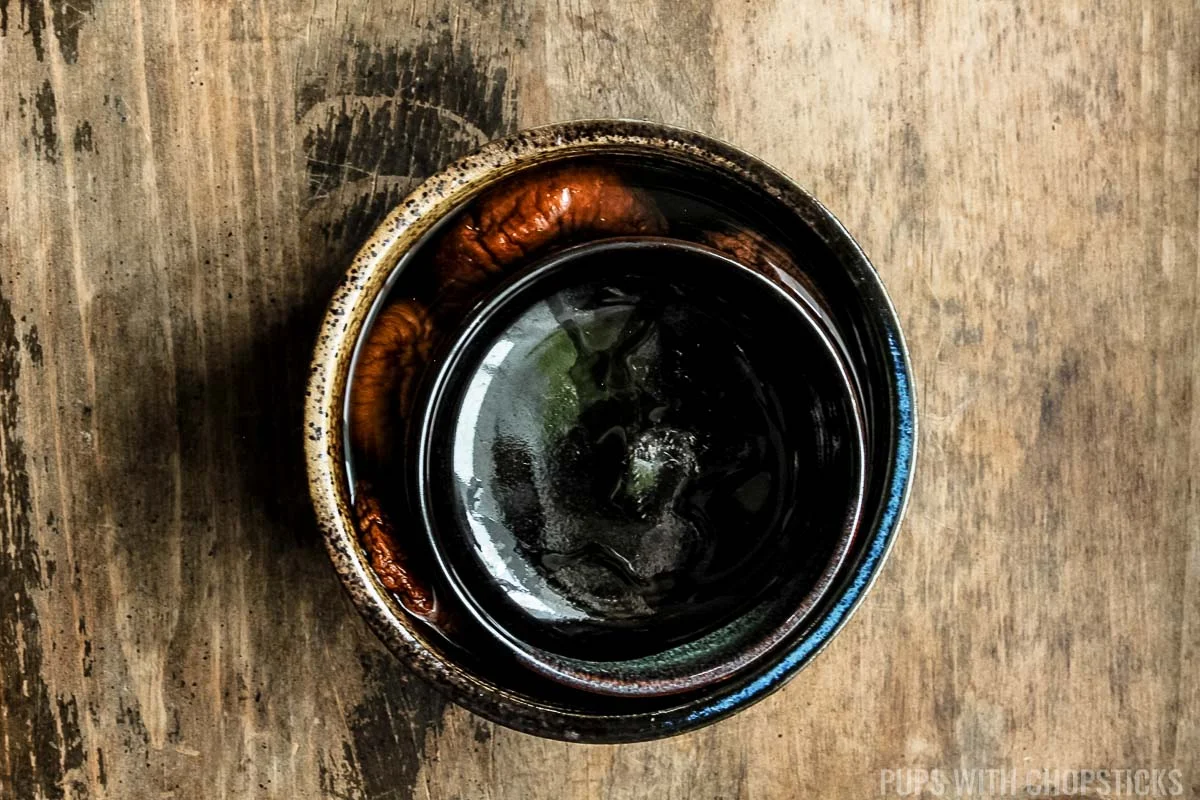
Once they're soft, remove the tough stem and discard it and slice them thinly.
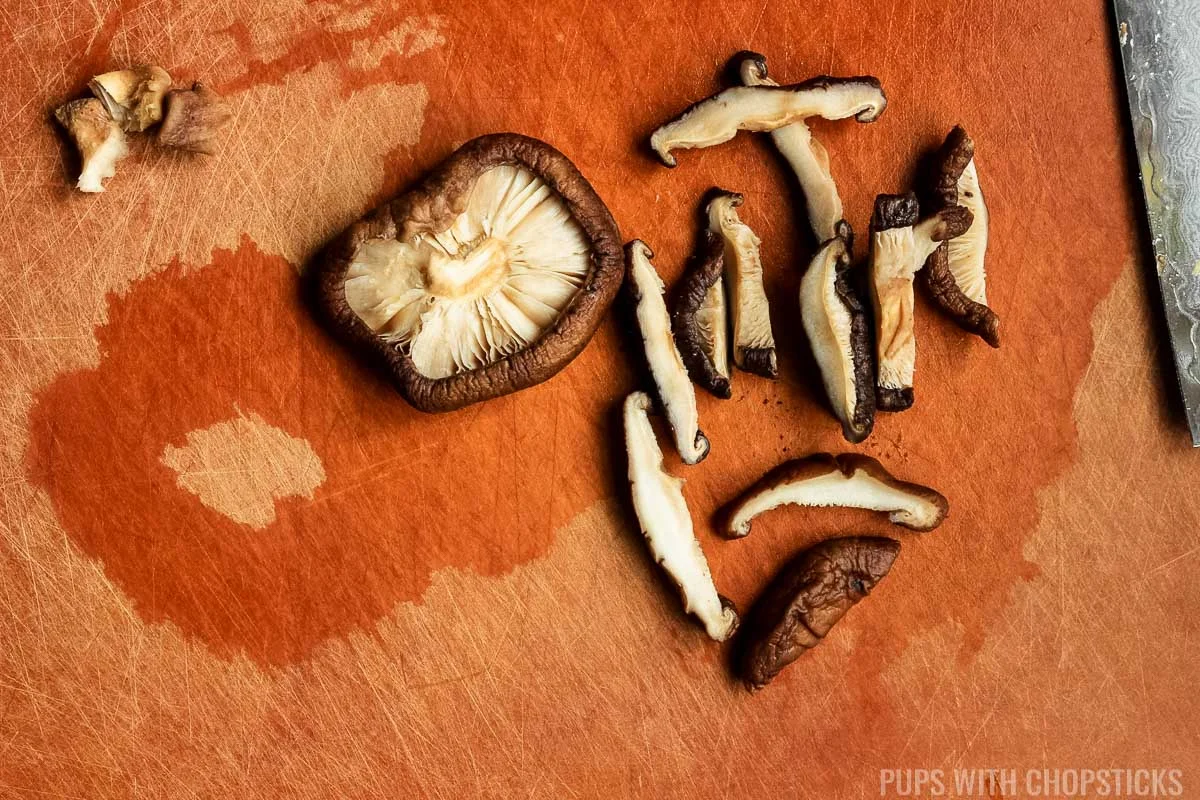
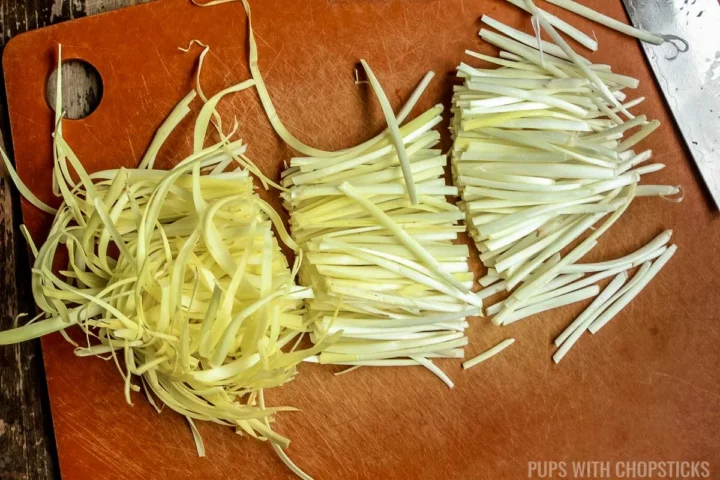
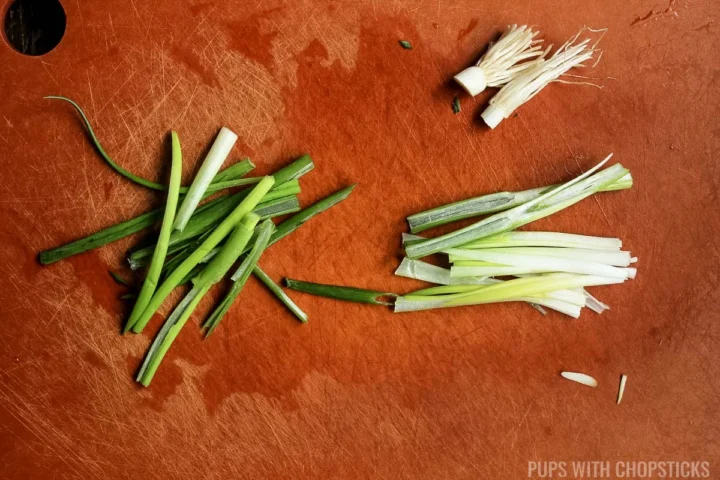
Cut the Chinese Chives and Green Onions: Cut the Chinese chives and green onions into 2-inch pieces.
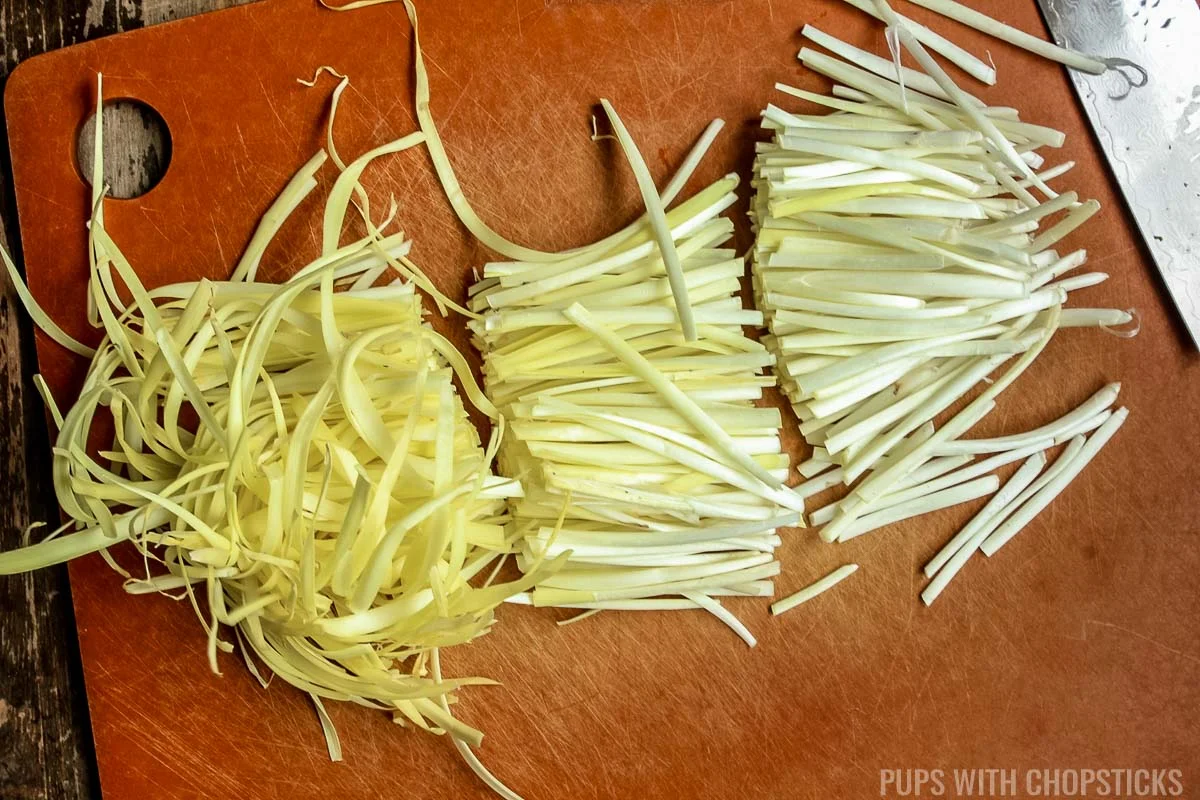
For the whites of the green onions, cut them again length wise to make them thinner.
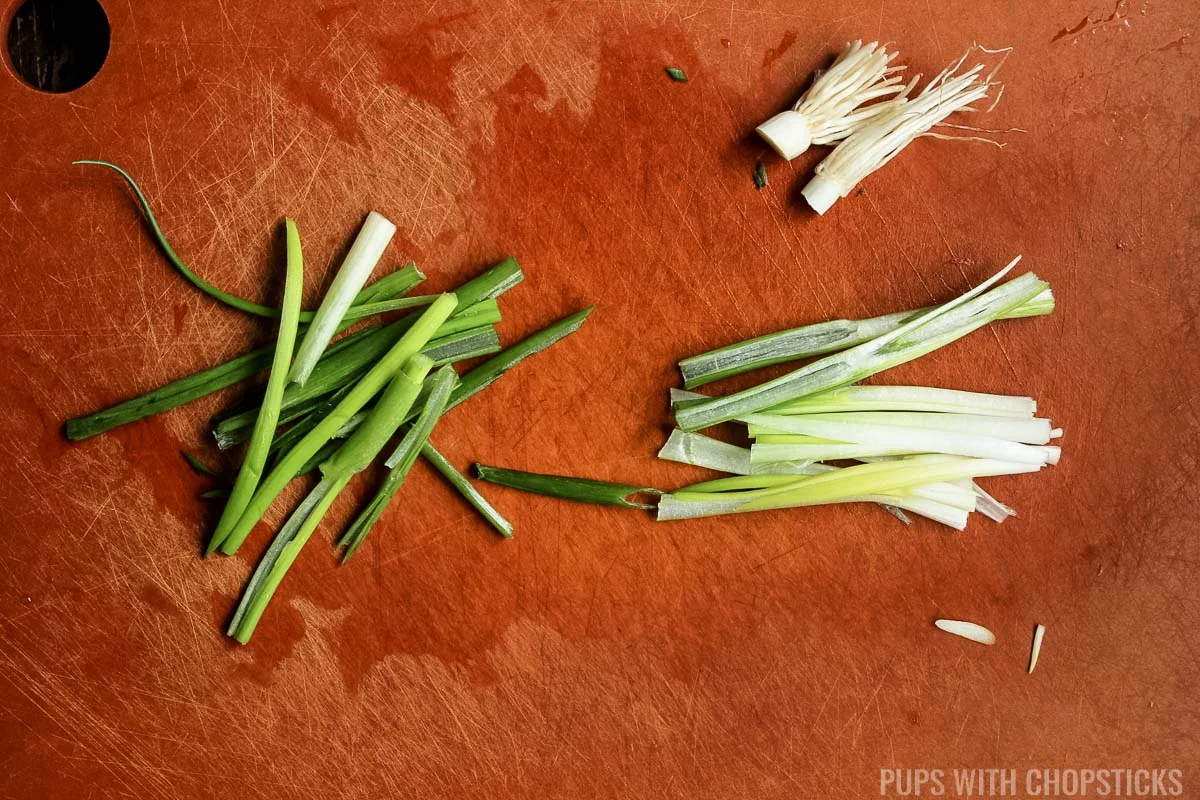
Mix the Sauce: Combine all the ingredients for the sauce in a bowl and mix well. This sauce will be the key to achieving the savory, umami flavor of the dish.
Cook the Longevity Noodles
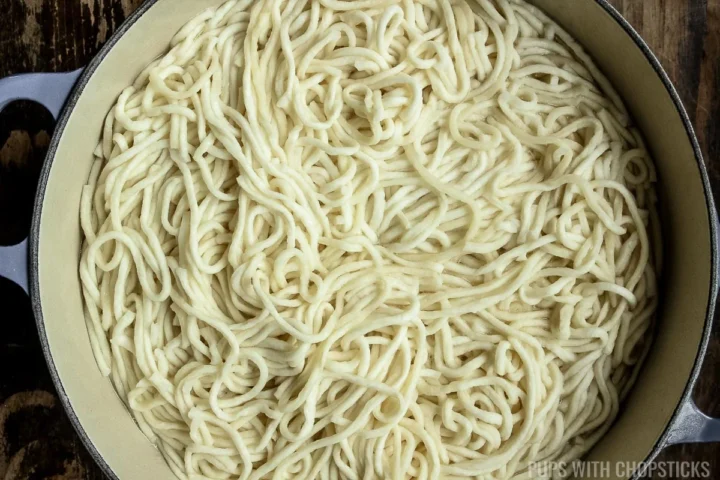
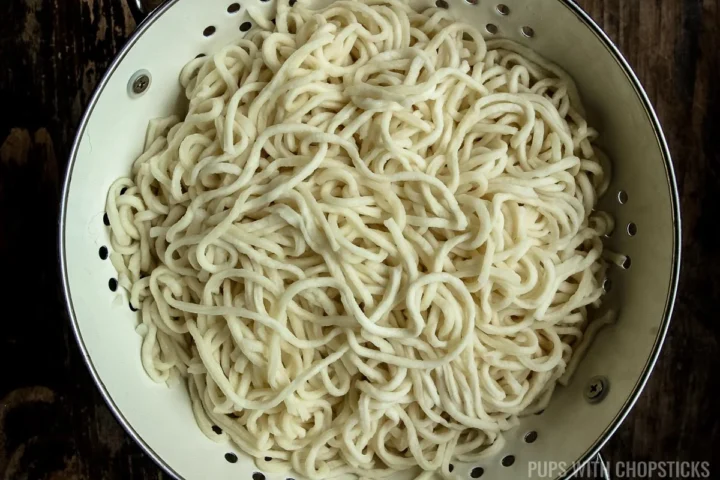
Boil the Noodles: Start by boiling the yi mein noodles in a pot of water for 30 seconds to 1 minute.
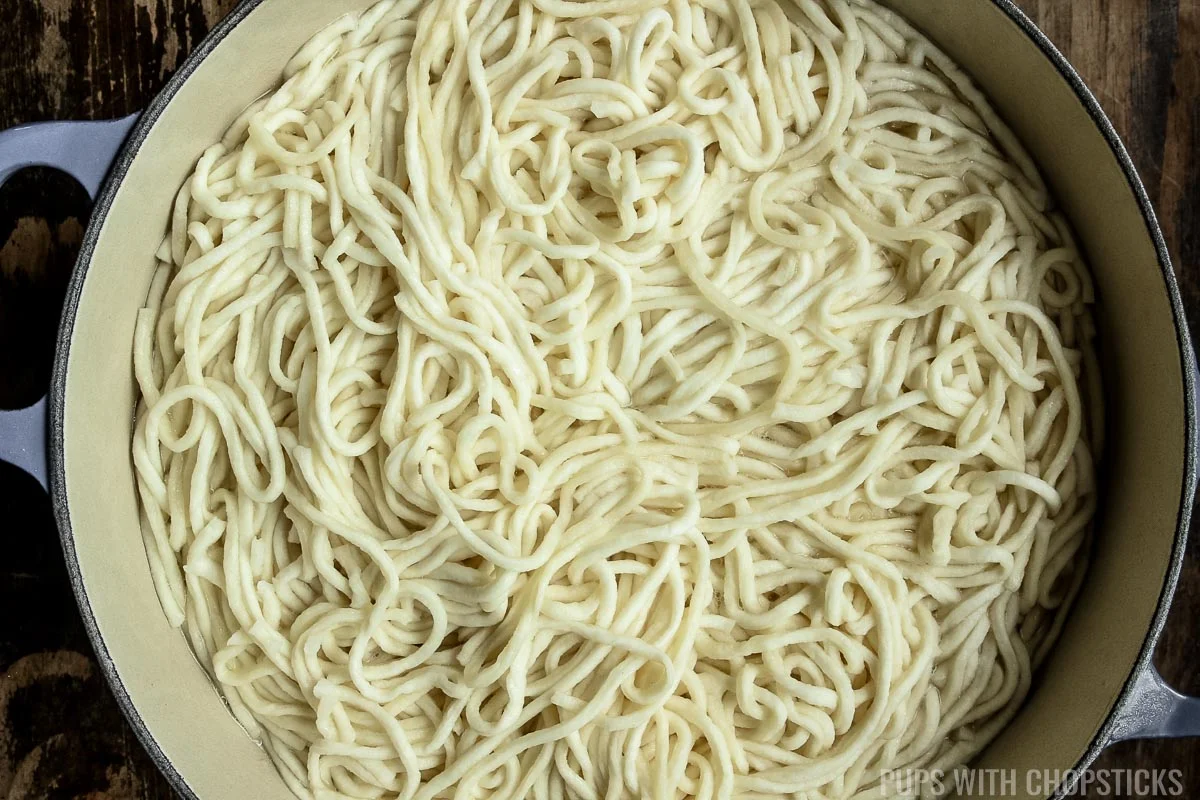
Once they are cooked, drain the noodles and set them aside.
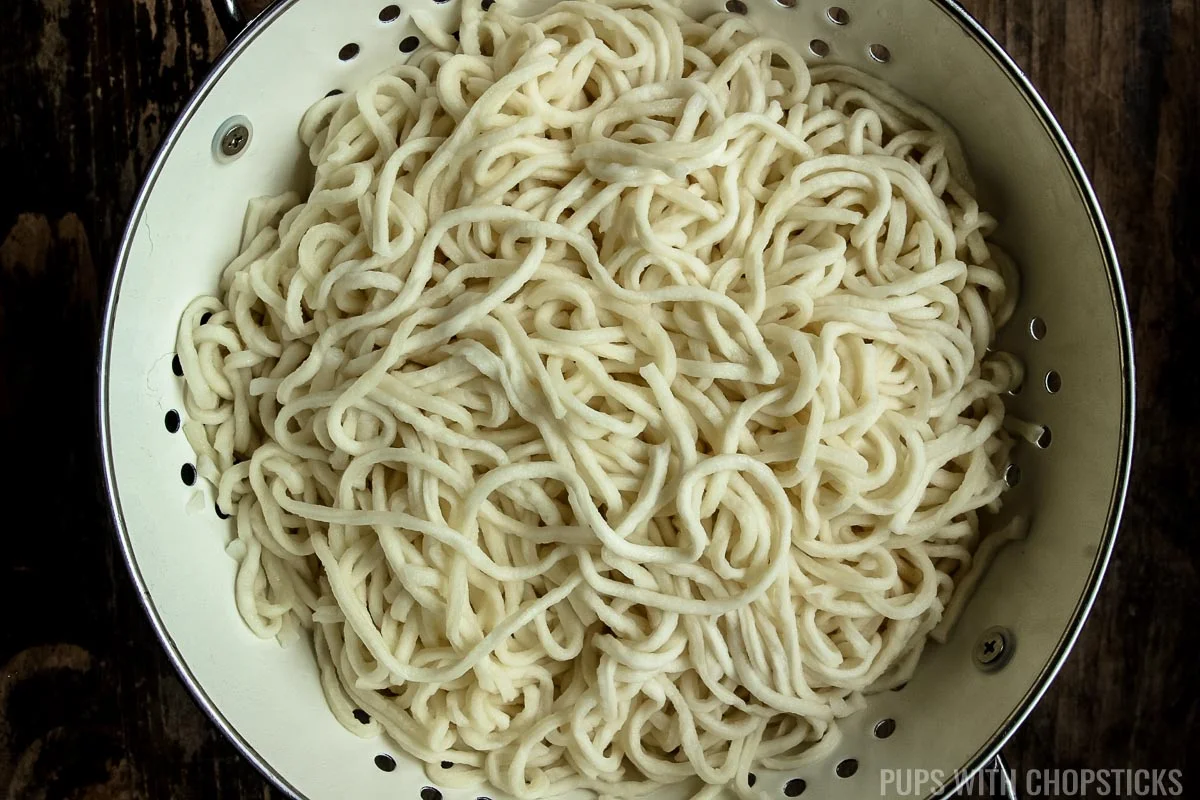
Stir Frying the Ingredients
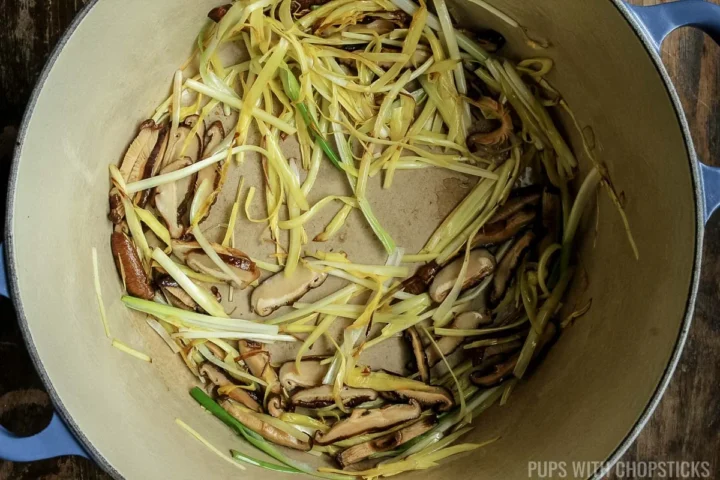
Heat the Wok: In a hot wok, heat some oil over medium-high heat. Add the sliced mushrooms to the wok and stir fry them until they are golden brown and fragrant.
Add the Chives: Next, add the cut Chinese chives to the wok and stir fry for a few seconds.
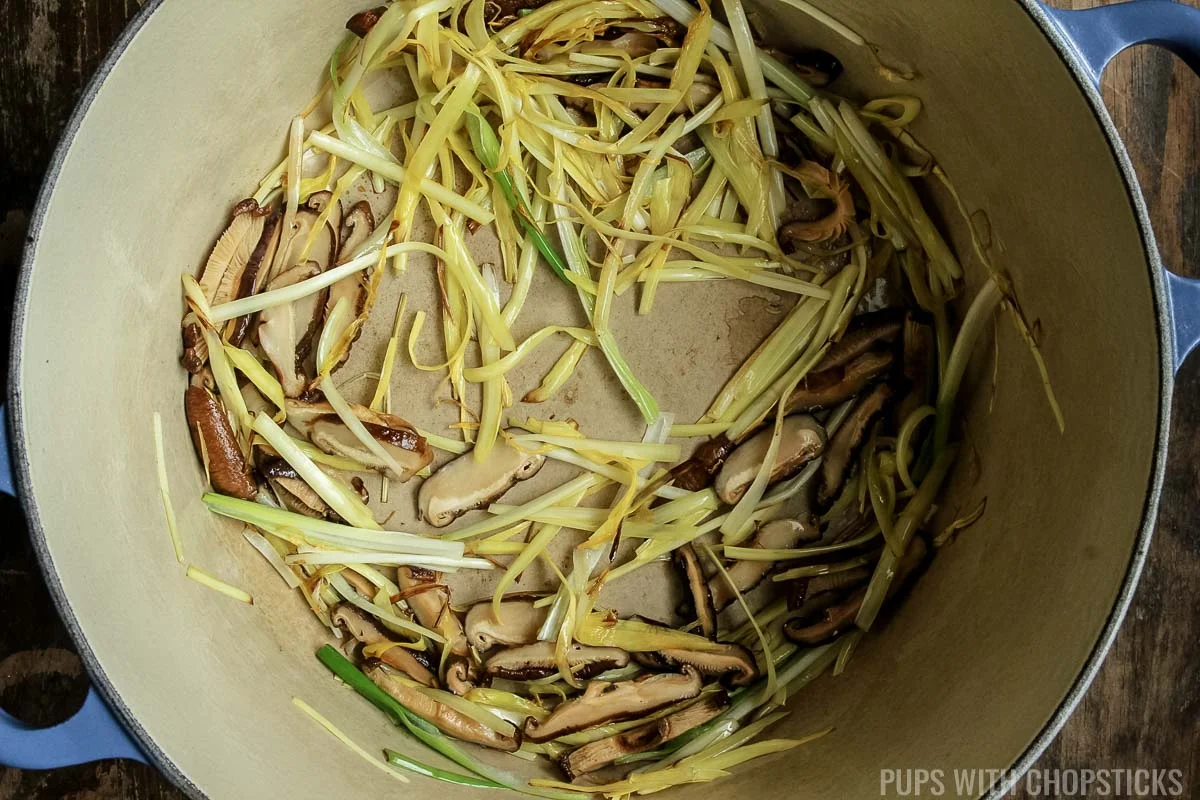
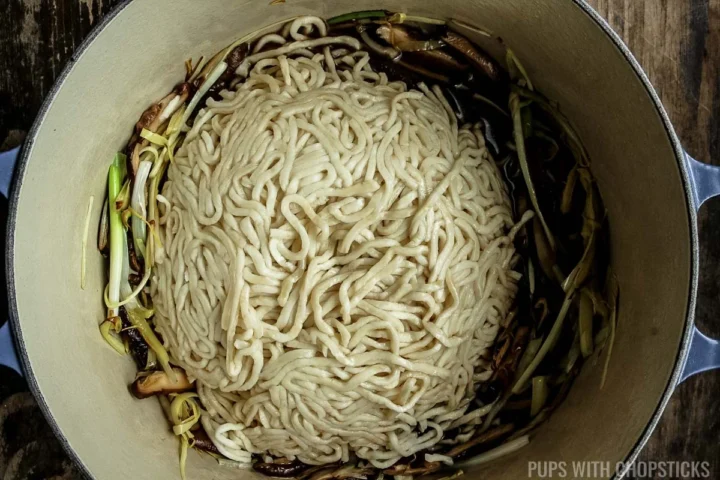
Stir Fry the Noodles: Add a bit more oil into the pan. Now, add the cooked noodles to the wok and stir fry them with the other ingredients. Make sure to keep the noodles moving in the wok to prevent them from sticking.
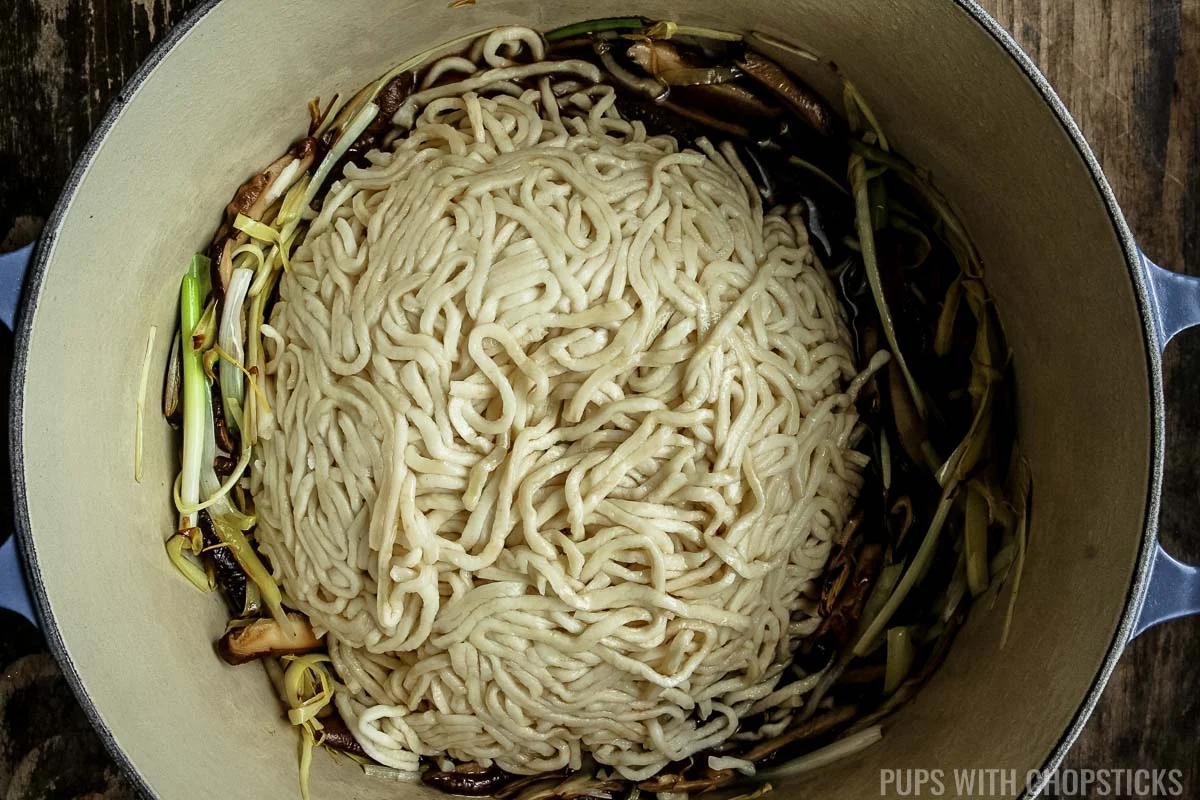
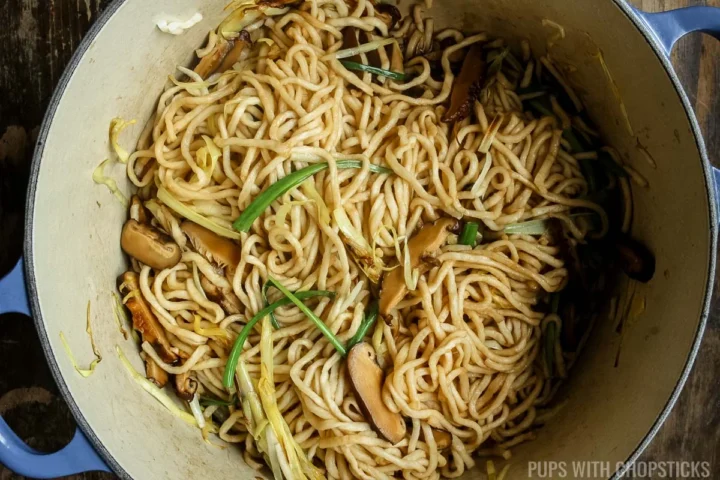
Add the Sauce: Pour the sauce over the stir fried noodles and toss everything together until the noodles are well coated with the sauce. Add the green onions in now as well.
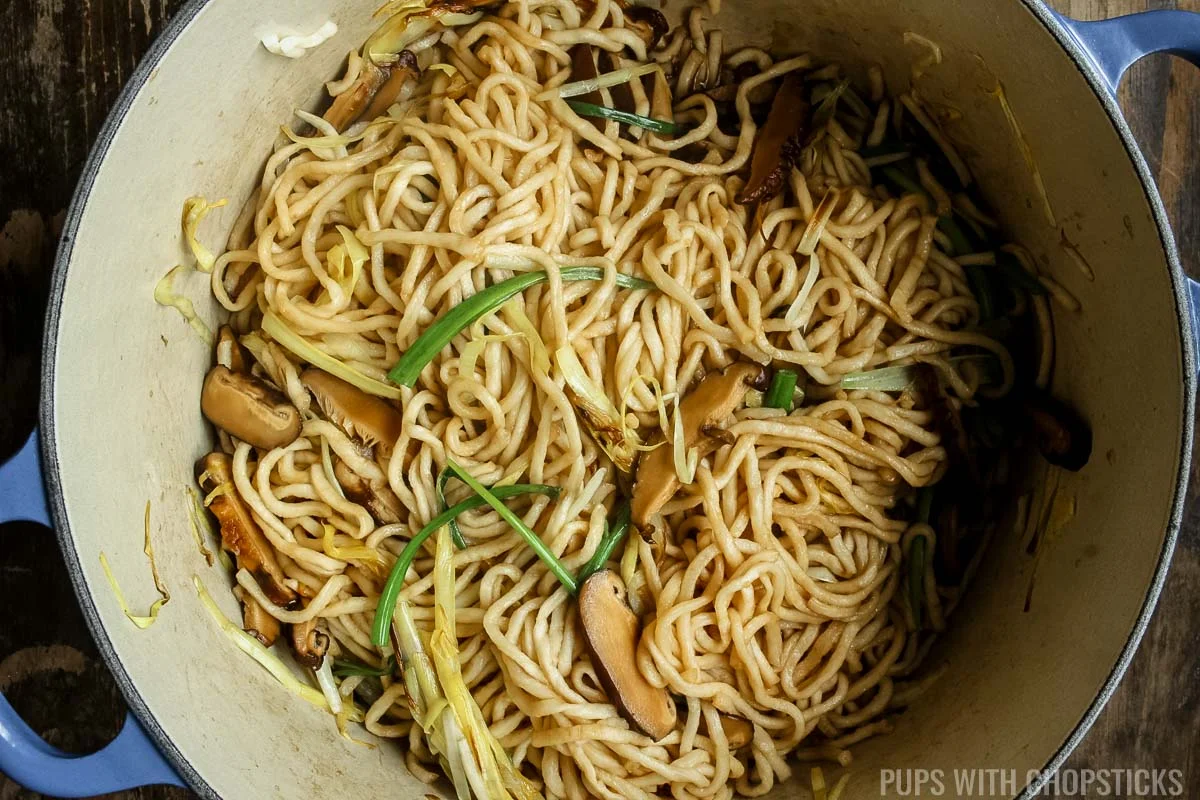
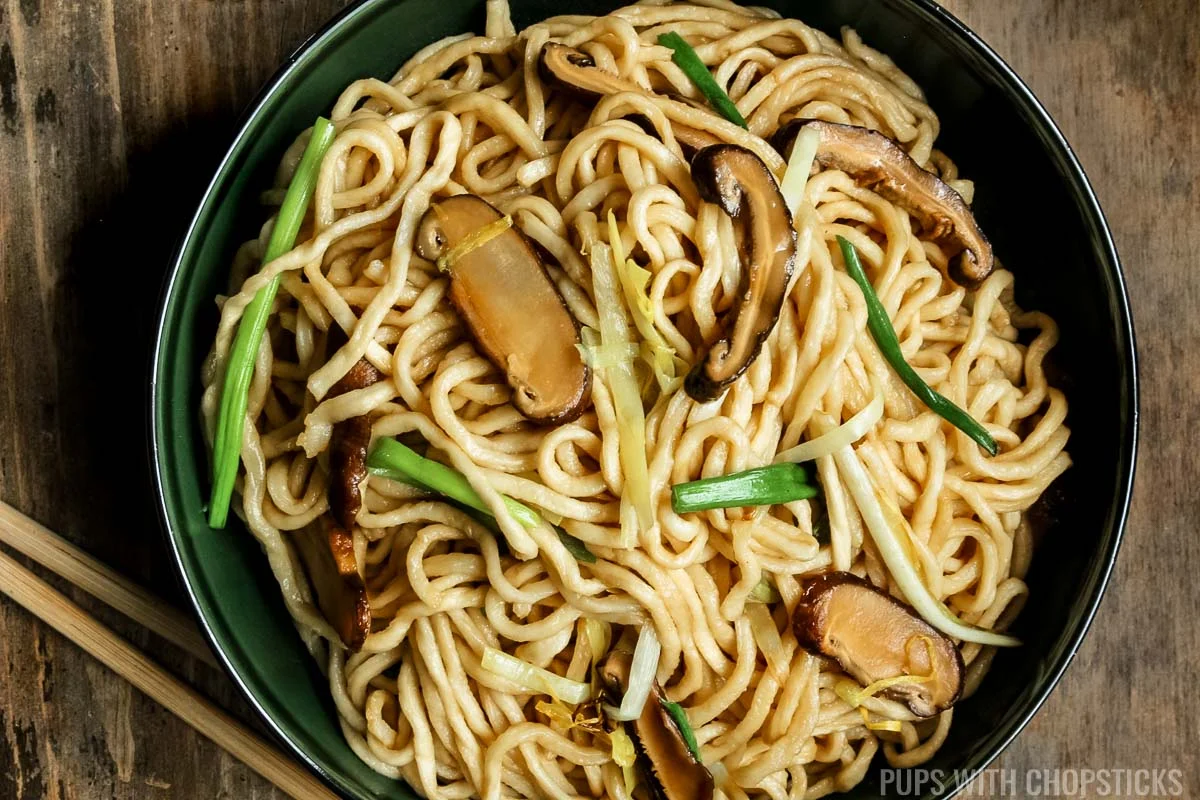
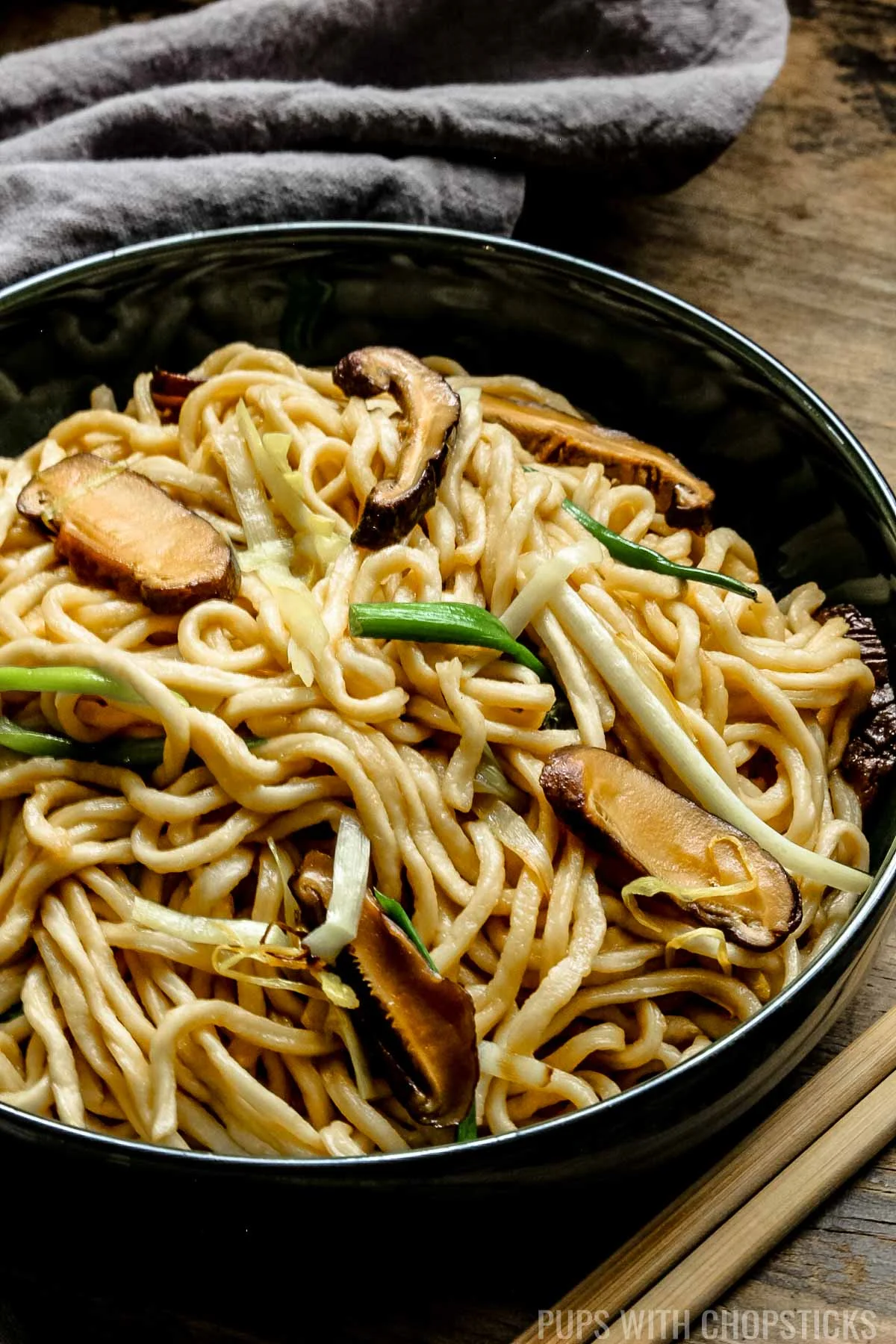
Plate and Serve: Transfer the noodles to a serving dish. Your Chinese birthday noodles are now ready to be served. Enjoy this delicious and symbolic dish with your family and friends!
Joyce’s Tips For Making the Best Longevity Noodles
- Choose the Right Noodles: Traditionally, Chinese birthday noodles are made with Yi Mein noodles, which are also known as "long life noodles" due to their long, uncut strands symbolizing longevity. You can find these at deep fried noodles at Asian grocery stores, and they almost always come in a dried round brick form.
- Soaking Dried Shiitake Mushrooms: Using boiling water to soak the mushrooms will speed up the process, but I find that using a dish to push the mushrooms down so that they are fully submerged in the water helps even more. It takes me about 15 minutes for thin medium sized mushrooms to fully get soft. It may take longer if you use thicker or larger dried shiitake mushrooms.
- Don't Overcook the Noodles: When boiling the noodles, be careful not to overcook them. For this recipe, boil the noodles for just 30 seconds to soften them slightly, as they will be stir-fried later and overcooking can make them mushy.
- Saucy Variation: Instead of pouring the sauce into the noodles, and letting it absorb, you can cook and thicken the sauce in the pot with the mushrooms before you add in the noodles. This will make these noodles saucy and the thicker sauce will coat the noodles instead. To do this, double the amount of sauce in the recipe card, and mix in 2 tablespoons of cornstarch into the sauce. Make sure the cornstarch has fully dissolved into the sauce. To cook the sauce, pour it in after you finished stir frying the mushrooms, and keep stirring until it is thick. Once it is thick, then add in the noodles and stir everything together.
Serving Suggestions
- For a traditional Chinese New Year feast, serve these longevity noodles alongside other symbolic dishes like whole steamed fish, ketchup shrimp or wonton dumplings for wealth and happiness. Alternatively, I also love to make it with Chinese turnip cake as well!
- For a simple, balanced meal, pair these noodles with a side of stir-fried vegetables like Chinese ginger soy cabbage stir fry. The crisp, fresh veggies complement the hearty, savory flavor of the noodles.
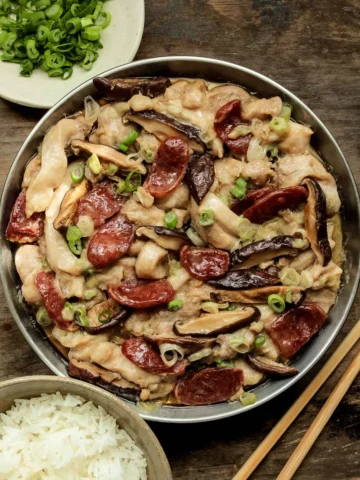
- For a fun family dinner, serve these noodles with Steamed Chicken with Chinese Sausage. The rich, umami flavor of the chicken dish contrasts nicely with the light, fragrant noodles.
- These noodles also pair well with a variety of condiments, such as garlic chili oil, to enhance the flavor and add a personal touch to your meal.
Recipe Variation Ideas
- Spicy: If you're a fan of spicy food, this variation is perfect for you. Simply add a teaspoon of chili flakes or chili oil to the sauce mixture for an extra twist.
- Lobster Yi Mein (龍蝦伊麵): If you want to have yi mein like how they serve it at Chinese restaurants, you can add lobster to it! Alternatively, you can also use large shrimp as well. That being said, you can also add slices of chicken as well.
- Chinese Eggplant with Garlic Sauce: Another type of sauce I love to use on yi mein is my sweet and savory Chinese eggplant with garlic sauce! To do this, omit the sauce in this recipe, and make the Chinese eggplant recipe and then pour it over the yi mein.
- Make it Saucy: Instead of pouring the sauce into the noodles, and letting it absorb, you can cook and thicken the sauce in the pot with the mushrooms before you add in the noodles. The sauce will coat the noodles instead of absorbing the sauce!
- Extra Vegetables: If you want to increase your vegetable intake, this variation is ideal. Add a cup of julienned carrots, bell peppers, and bok choy along with the chives. This not only adds a variety of colors to the dish but also makes it more nutritious.
Frequently Asked Questions
Longevity noodles, also known as "Chinese birthday noodles" or "long life noodles," are a symbolic dish in Asian culture, often served at celebrations like birthdays, weddings, and the Lunar New Year. The long, uncut noodles symbolize a wish for a long and prosperous life.
If you can't find Chinese chives, you can substitute them with regular chives or green onions. The flavor will be slightly different, but it will still add a nice touch to the dish.
You can add a variety of vegetables to this dish to make it more nutritious and colorful. Bell peppers, carrots, and bok choy are all great options.
Storing and Reheating
- Refrigerating: Leftover longevity noodles can be stored in an airtight container in the fridge for up to 3 days.
- Reheating: When you're ready to enjoy your leftovers, simply reheat the noodles in a pan over medium heat. Add a little bit of water to prevent the noodles from drying out. Remember not to overheat as noodles can become too soft. Alternatively, you can also microwave it for 1-2 minutes, stirring in every few seconds for even heating.
- Freezing: Unfortunately, it's not recommended to freeze this dish as the noodles can become mushy and the overall texture of the dish may change.
More Chinese Recipes You May Like
- Sweet and Sticky Char Siu (Chinese BBQ Pork)
- Easy Chinese Steamed Chicken Recipe
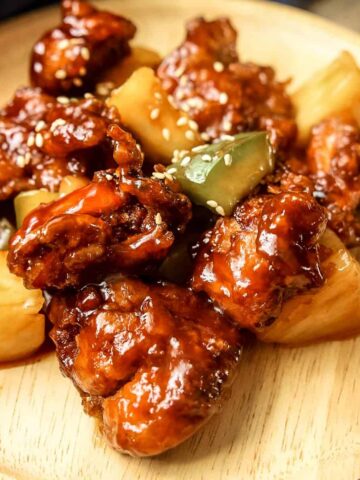
- Sweet and Sour Chicken
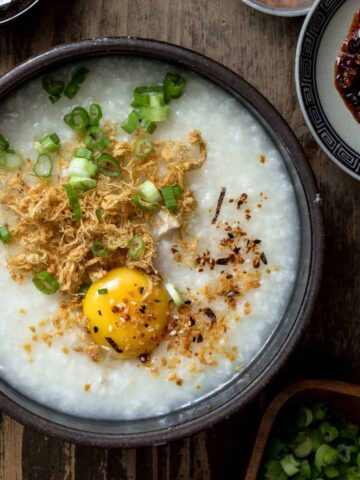
- How to Make Chicken Congee (鸡粥)
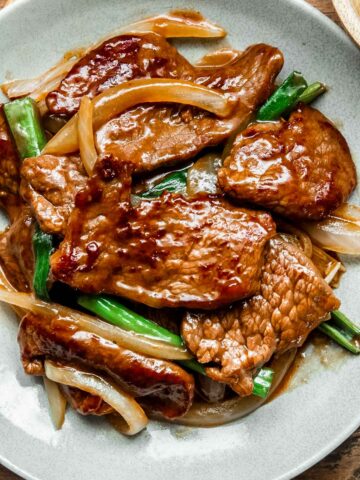
- Beef and Onion Stir Fry (Quick and Easy Classic Recipe)
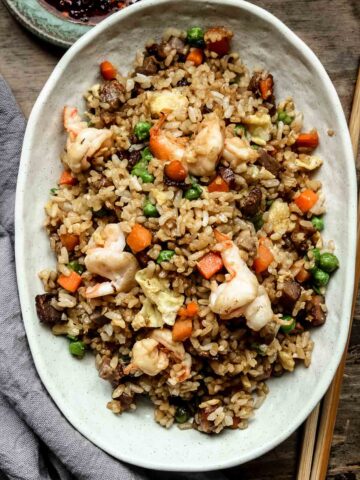
- Yeung Chow Fried Rice
- Crispy Cantonese Beef Chow Mein
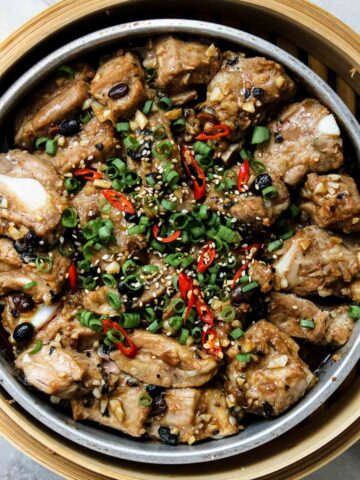
- Steamed Spare Ribs with Black Bean Sauce
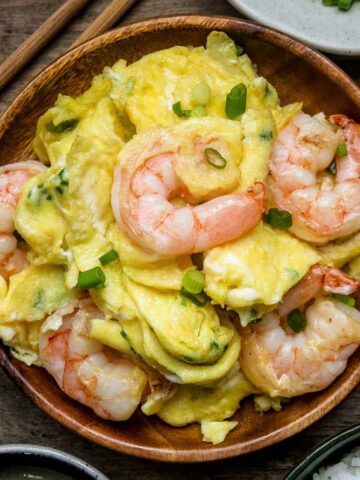
- Chinese Scrambled Eggs and Shrimp
- Chinese Tomato Egg Stir-Fry 番茄炒蛋 (Authentic Easy Recipe)
Noodles and Cantonese Recipes You May Like


If you made this longevity noodles recipe, I want to see! Follow Pups with Chopsticks on Instagram, snap a photo, and tag and hashtag it with @pupswithchopsticks and #pupswithchopsticks. I love to know what you are making!
Please also consider leaving a ⭐⭐⭐⭐⭐ rating and a comment to tell me how it went! I'd love to hear from you if you made this!
If you like my recipes and want to be updated on when new ones come out, please consider subscribing to my newsletter (we don't spam) and follow along on Instagram, Facebook, and Pinterest for all of my latest recipes!
Recipe Card
Longevity Noodles (Yi Mein)
Joyce's Recipe Notes
- Choose the Right Noodles: Traditionally, Chinese birthday noodles are made with Yi Mein noodles, which are also known as "long life noodles" due to their long, uncut strands symbolizing longevity. You can find these at deep fried noodles at Asian grocery stores, and they almost always come in a dried round brick form. If you can't find Yi Mein, you can use other long noodles like spaghetti as a substitute.
- Soaking Dried Shiitake Mushrooms: Using boiling water to soak the mushrooms will speed up the process, but I find that using a dish to push the mushrooms down so that they are fully submerged in the water helps even more. It takes me about 15 minutes for thin medium sized mushrooms to fully get soft. It may take longer if you use thicker or larger dried shiitake mushrooms.
- Don't Overcook the Noodles: When boiling the noodles, be careful not to overcook them. For this recipe, boil the noodles for just 30 seconds to soften them slightly, as they will be stir-fried later and overcooking can make them mushy.
- Simple Saucy Variation: Instead of pouring the sauce into the noodles, and letting it absorb, you can cook and thicken the sauce in the pot with the mushrooms before you add in the noodles. This will make these noodles saucy and the thicker sauce will coat the noodles instead. To do this, double the amount of sauce in the recipe card, and mix in 2 tablespoons of cornstarch into the sauce. Make sure the cornstarch has fully dissolved into the sauce. To cook the sauce, pour it in after you finished stir frying the mushrooms, and keep stirring until it is thick. Once it is thick, then add in the noodles and stir everything together.
- Chinese Eggplant with Garlic Sauce Variation: Another type of sauce I love to use on yi mein is my sweet and savory Chinese eggplant with garlic sauce! To do this, omit the sauce in this recipe, and make the Chinese eggplant recipe and then pour it over the yi mein.
Ingredients
- 200 grams yi mein (7oz)
- 6 large dried shiitake mushrooms
- 1 cup Chinese yellow chives
- 2 stalks green onions
Longevity Noodles Sauce
- 2 tablespoons oil
- 3 tablespoons oyster sauce
- 2 tablespoons soy sauce
- 1 teaspoon sugar
- 1 teaspoon sesame oil
- 1 teaspoon dark soy sauce (for color, can sub for regular soy sauce)
- 1 cup water
Instructions
Reconstitute Dried Shiitake Mushrooms
- **If you're using fresh shiitake mushrooms, go straight to the Preparation Section**If you're using dried shiitake mushrooms, soak 6 large dried shiitake mushrooms in hot water for about 20 minutes or until they're soft (It may take longer if you use thicker or larger dried shiitake mushrooms). (While you are waiting, prepare the rest of the ingredients).

- Use a plate or small bowl and place it on top of the mushrooms to fully submerge them in the water. Once they're soft, remove them from the water. They are ready to use!
Preparation
- Cut off the tough stem from each shiitake mushroom, and discard it. Slice them thinly.
- Cut 1 cup Chinese yellow chives into 2-inch pieces, and set them aside.
- Cut and remove the rooted tips from 2 stalks green onions and cut them into 2-inch pieces. Slice the thicker white parts of the green onion, and slice them again lengthwise to make them thinner.
- In a bowl, mix together 3 tablespoons oyster sauce, 2 tablespoons soy sauce, 1 teaspoon sugar, 1 teaspoon sesame oil, 1 teaspoon dark soy sauce (or regular soy sauce), and 2 tablespoons oil.
- Once the sauce has been mixed, stir in 1 cup water and set it aside for later.
Par-Boil the Noodles
- Fill a large pot with water, and bring it up to a boil on high heat.
- Add 200 grams yi mein to the boiling water, and press it down to submerge it into the water for a few seconds, then flip it.
- Cook it for 30 seconds to 1 minute. Use a utensil and gently wiggle the noodles until everything has loosened.
- Once they are cooked, drain the noodles and set them aside.
Stir Fry Everything Together
- Rinse out the large pot you used to boil the noodles, set it over the stove, and set it to medium-high heat. Once it is hot, add a bit of oil.
- Add the sliced shiitake mushrooms and stir fry them until they are golden brown and fragrant, approx. 2-3 minutes.
- Add the Chinese chives and stir fry for a few seconds.
- Add a bit more oil to the pan and add the parboiled yi mein noodles.
- Pour the sauce over the noodles and toss everything together until the noodles are well coated with the sauce. Add the green onions in now as well.
- Stir fry everything for 2-3 minutes. Keep the noodles moving in the pan to prevent them from sticking. Once all the sauce has been absorbed, the noodles are done.
- Transfer the noodles to a serving dish. Enjoy!
Nutrition
*Nutritional information is calculated using online tools and is an estimate*
Disclaimer: We are a participant in the Amazon Services LLC Associates Program, an affiliate advertising program designed to provide a means for us to earn fees by linking to Amazon.com and affiliated sites, however I provide these links to make items easier to find if you cannot purchase this locally and I would never recommend anything I don’t own myself or highly recommend. I would prefer you buy your items locally if possible to support your local shops (and chances are they are cheaper locally as well!)


Leave a Reply